
Know your Options: Break the GBV Cycle
Expanding Woman-Controlled Prevention to Break the Cycle of Gender-Based Violence
Bodily Autonomy is HIV Prevention: Ending GBV Through Choice, Discretion, and Rights
Across Sub-Saharan Africa, gender-based violence (GBV)—ranging from intimate partner violence and sexual coercion to deep-seated structural discrimination—remains one of the most significant drivers of new HIV infections among adolescent girls and young women (AGYW).
Biomedical breakthroughs alone cannot end the HIV epidemic without guaranteeing bodily autonomy. When fear of partner retribution, violence, or stigma makes negotiating condom use dangerous or keeping daily oral pills discreet impossible, women and girls are denied their fundamental right to protect their own health and lives.
True HIV prevention requires tools that put power directly into the hands of women. Expanding access to and demand for discreet, woman-controlled options is not just a healthcare policy choice; it is a direct intervention against GBV-driven HIV vulnerability.
Factsheet: Know Your Options
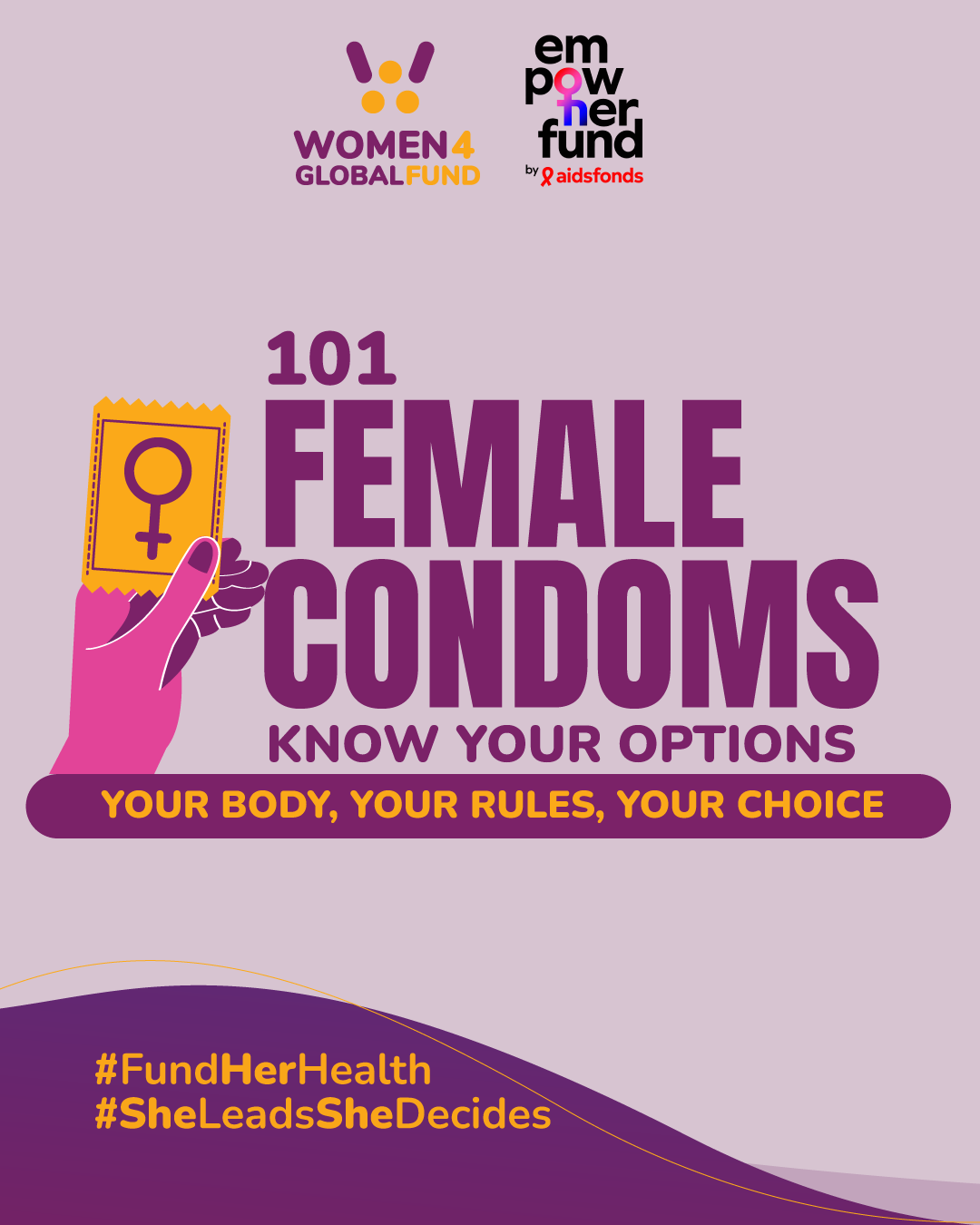
The “Know Your Options” factsheets form a core component of the #SheLeadsSheDecides campaign and the EmpowHer project workplan. Designed for both digital dissemination and community-level offline advocacy (such as mentorship programs, health facility engagement, and Accountability Labs), these resources demystify HIV prevention methods through a feminist, rights-based lens.
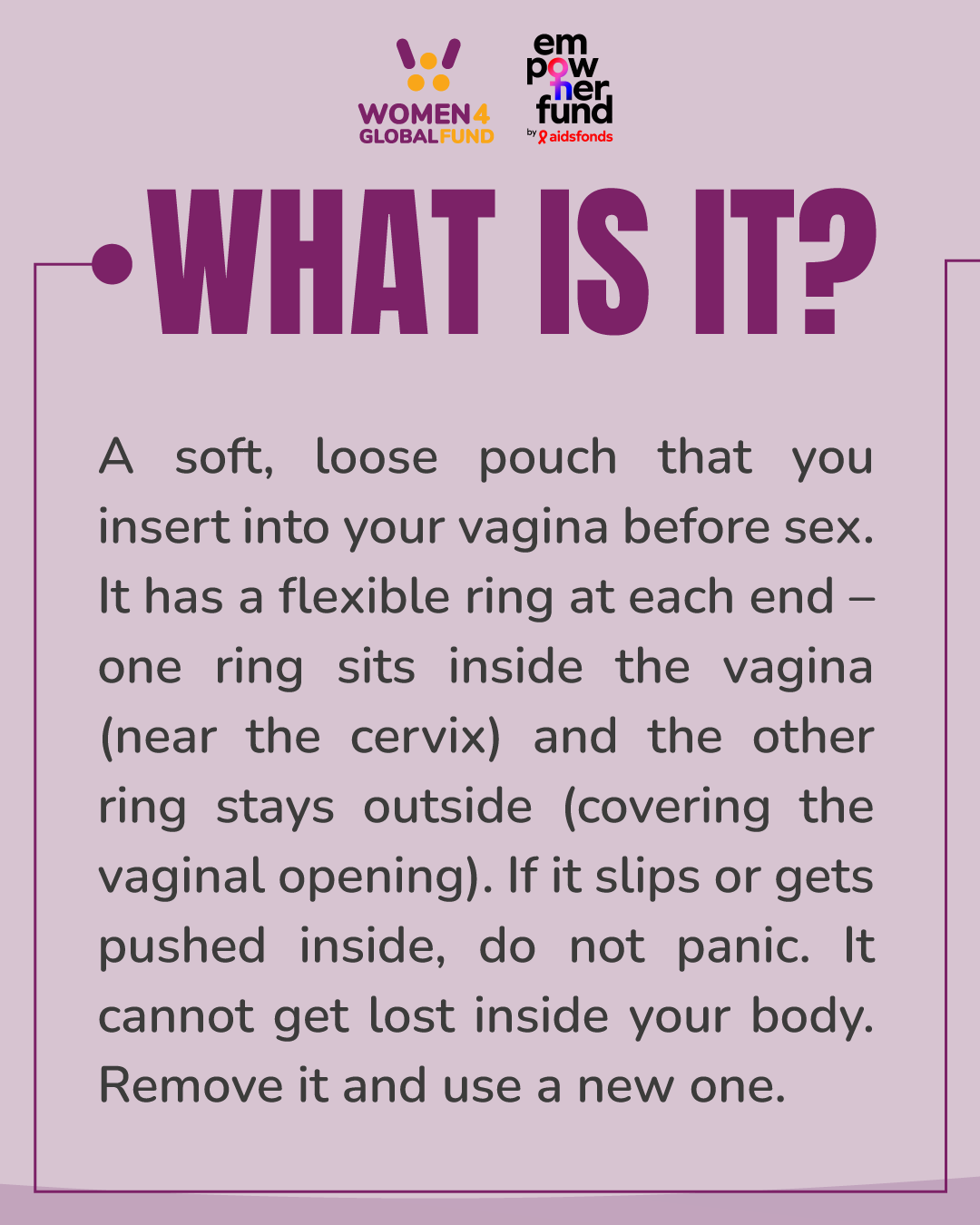
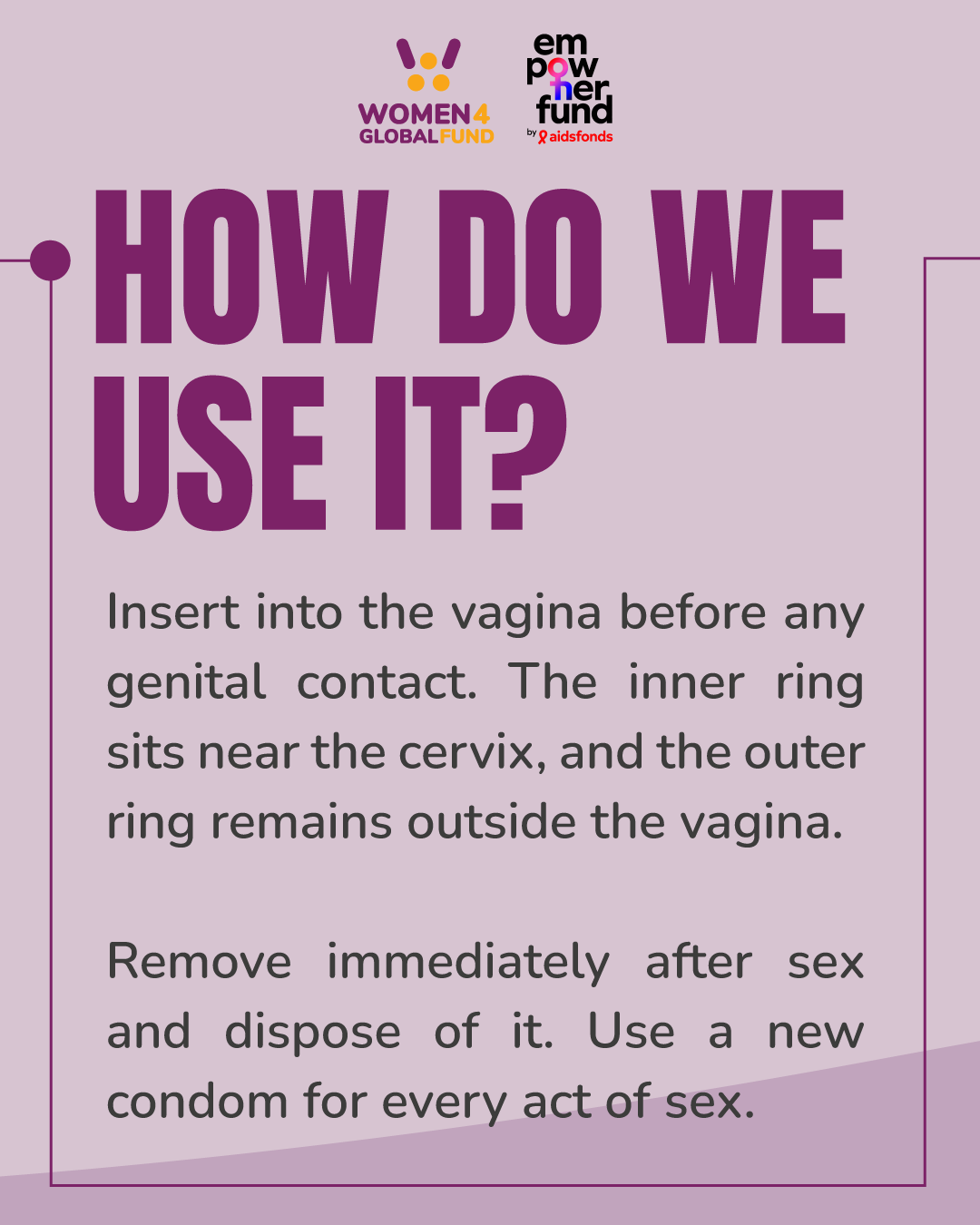
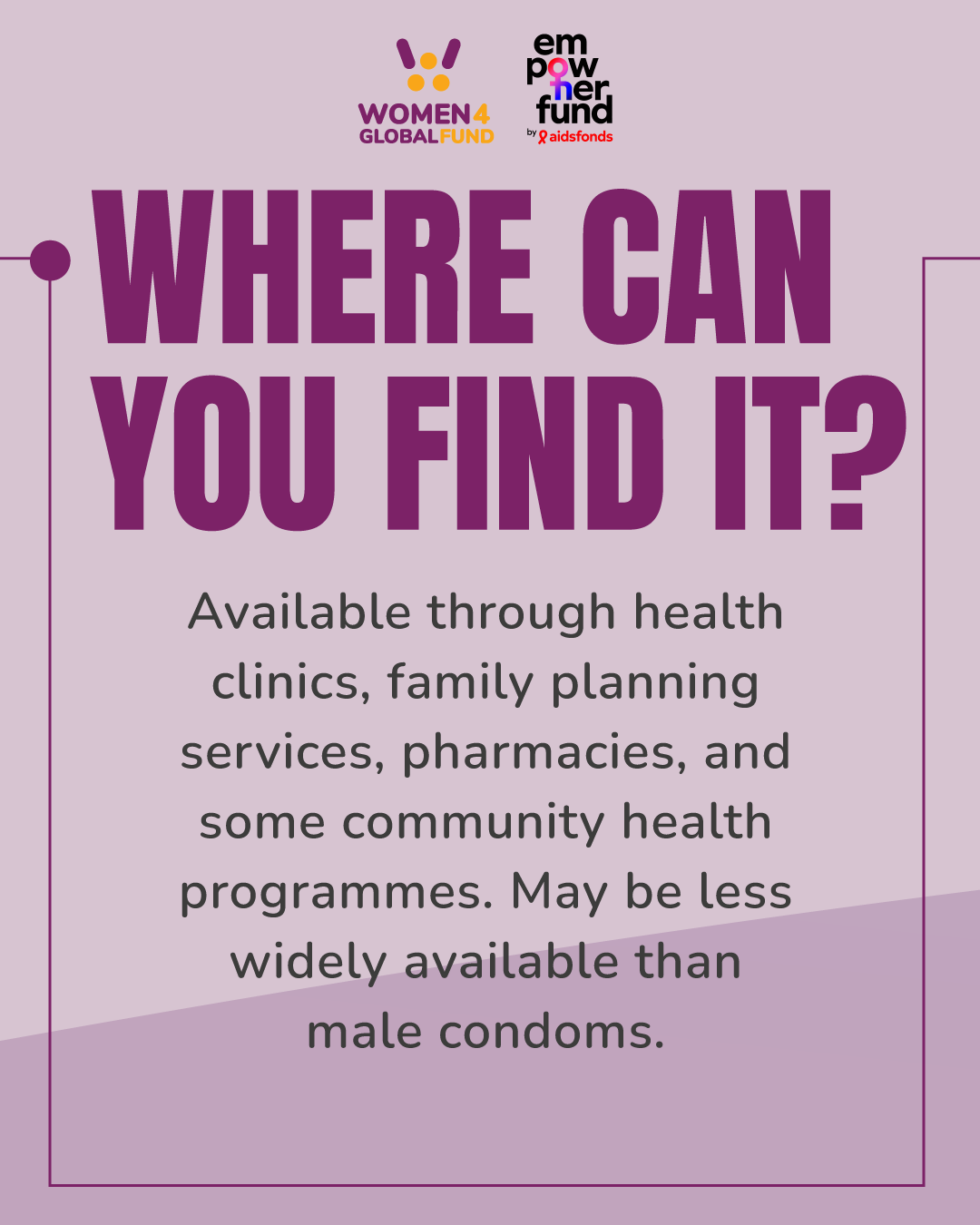
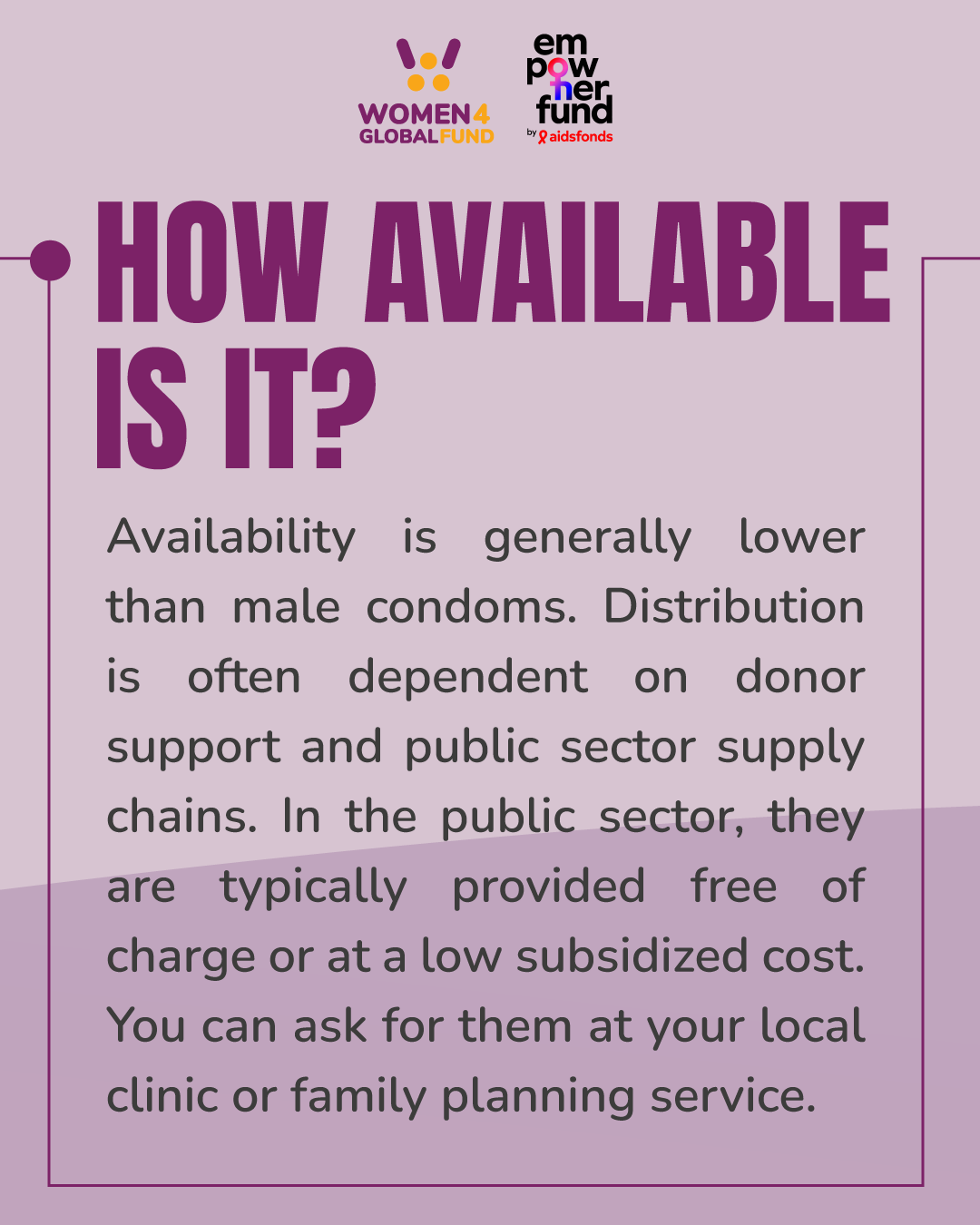
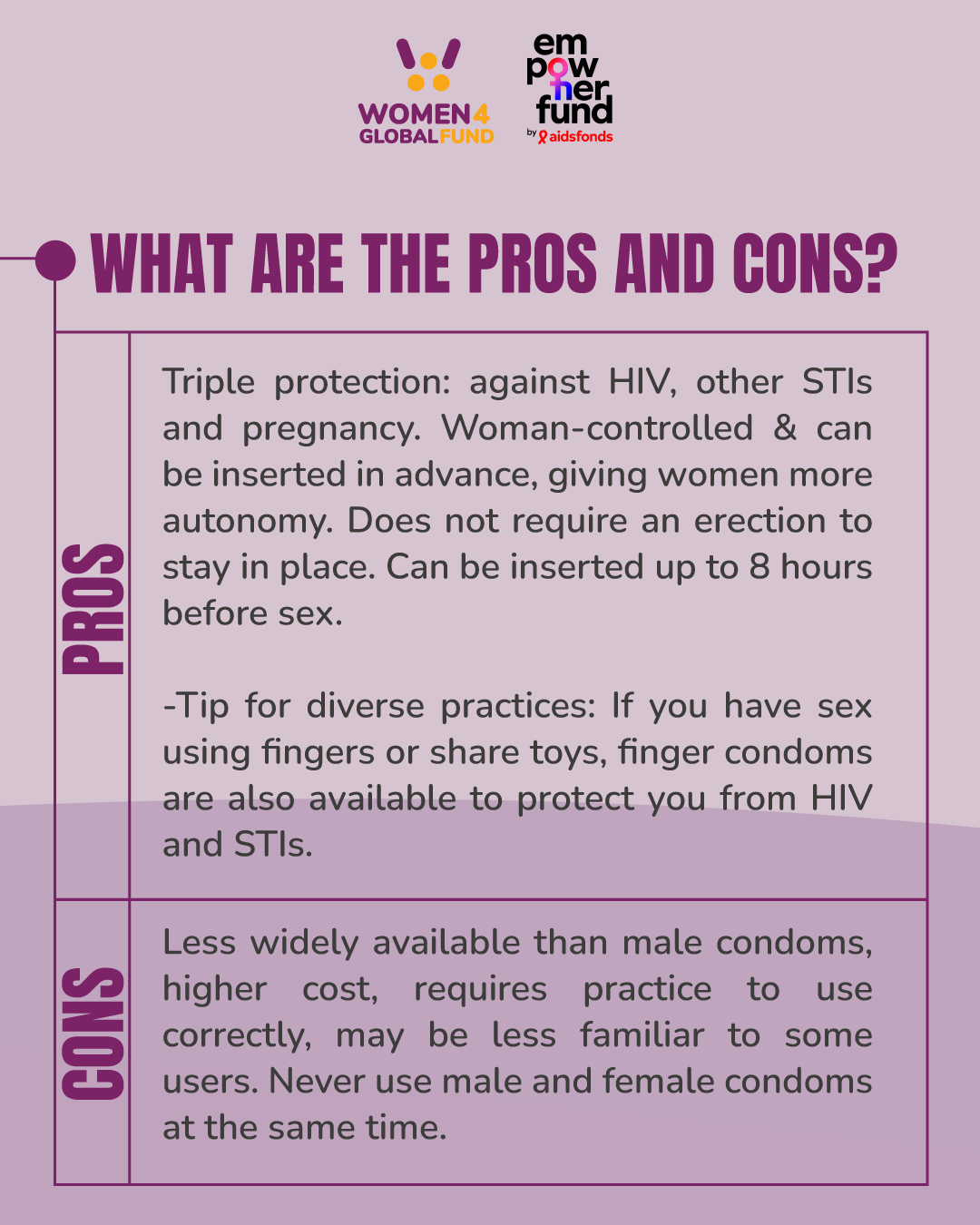
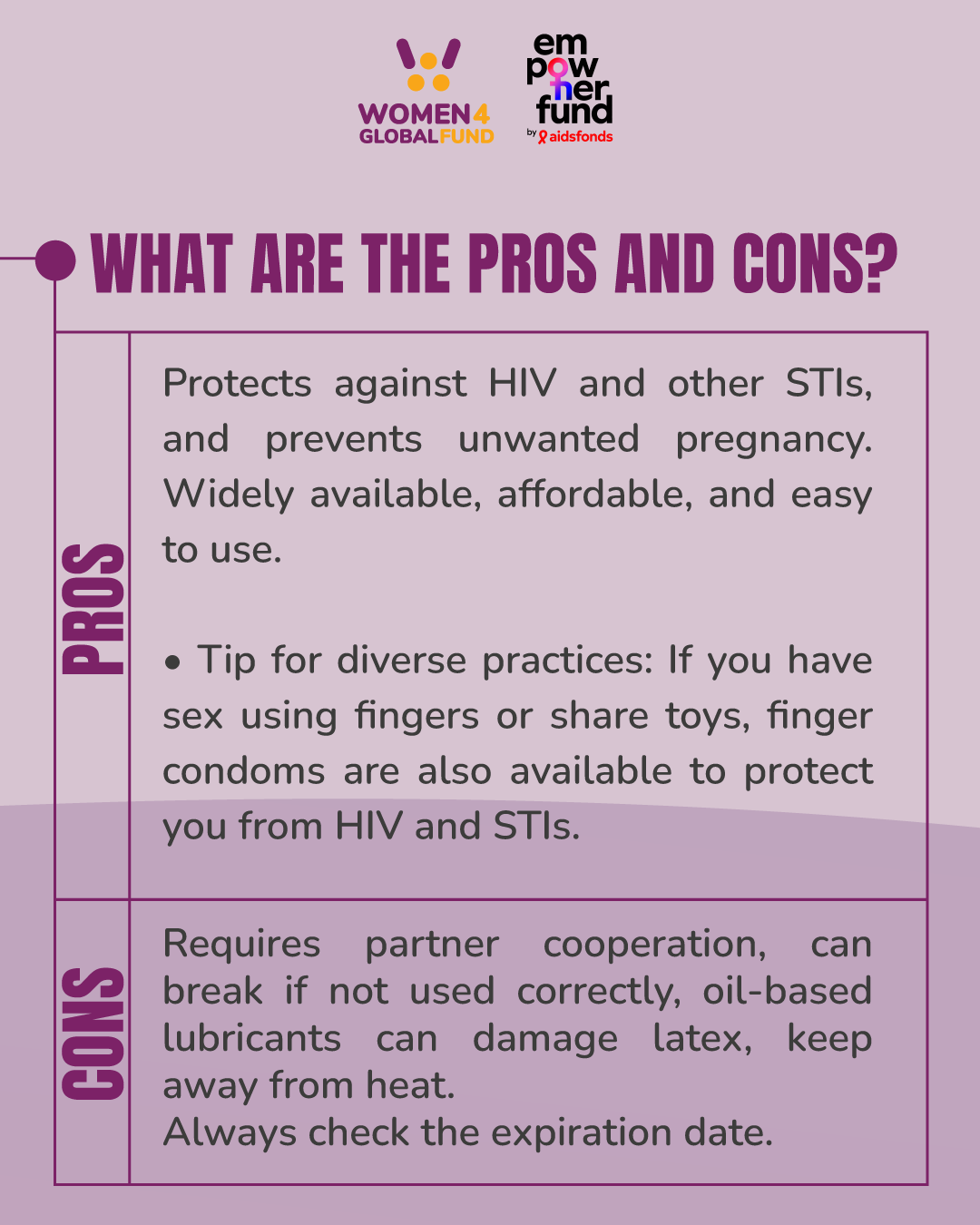
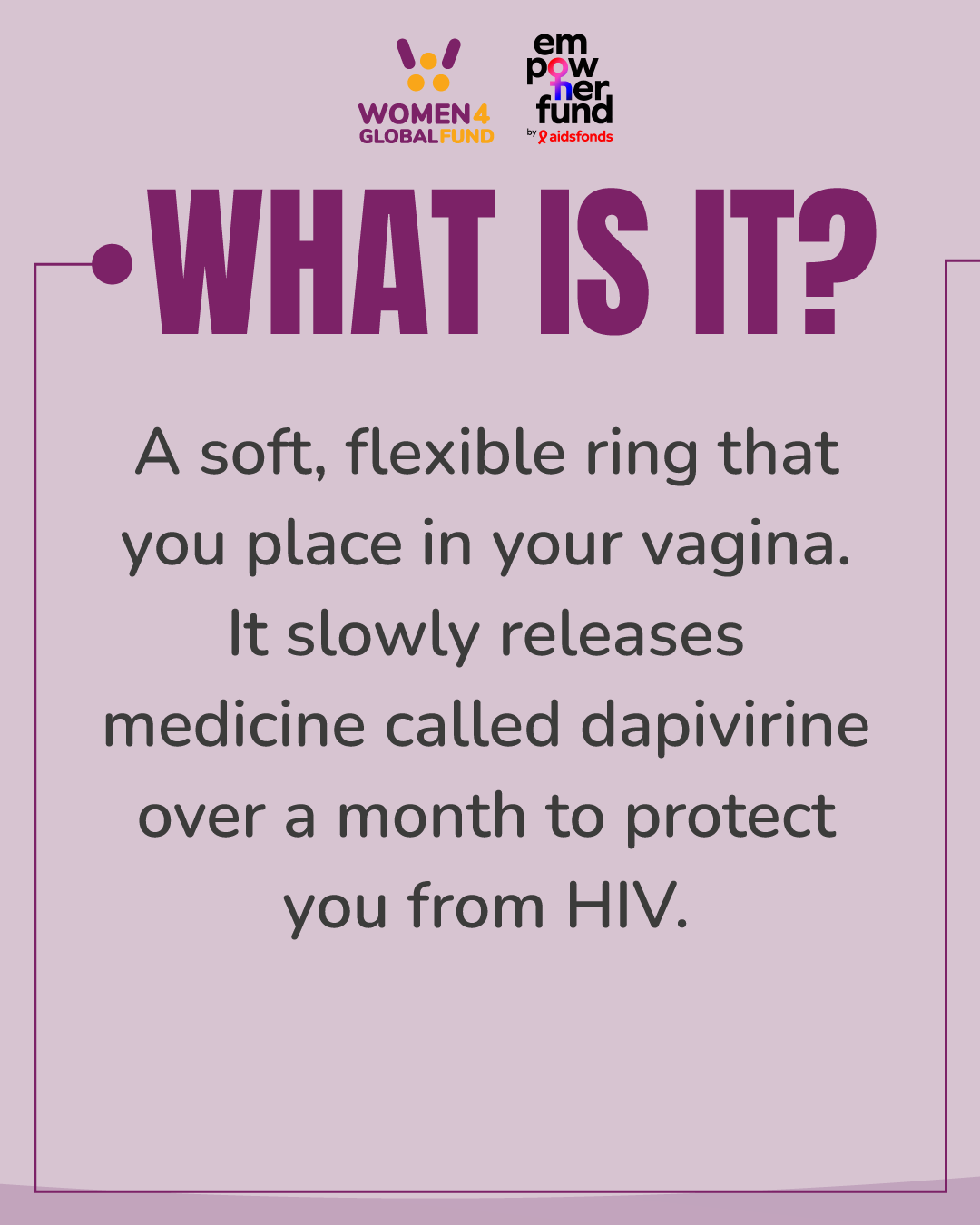
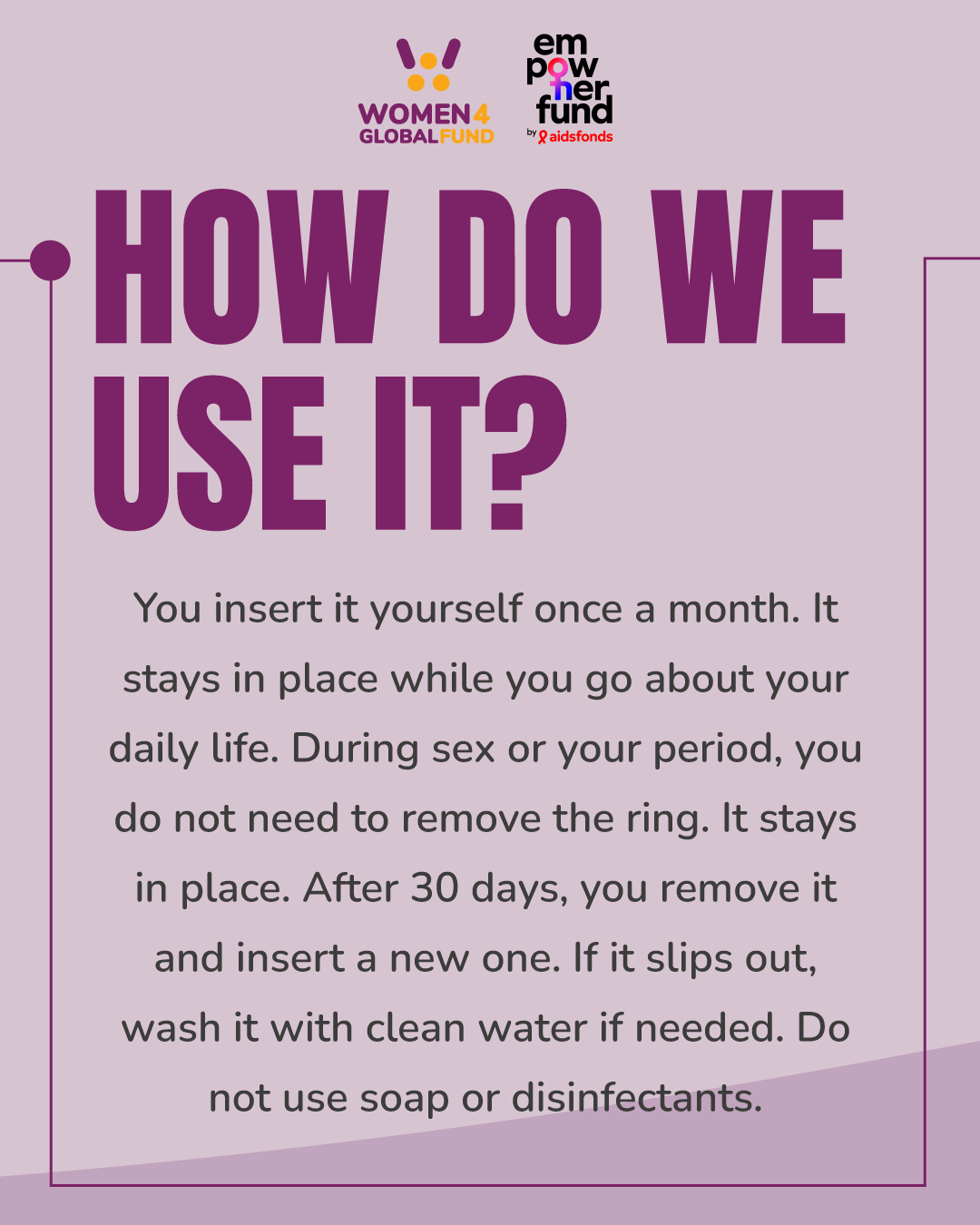
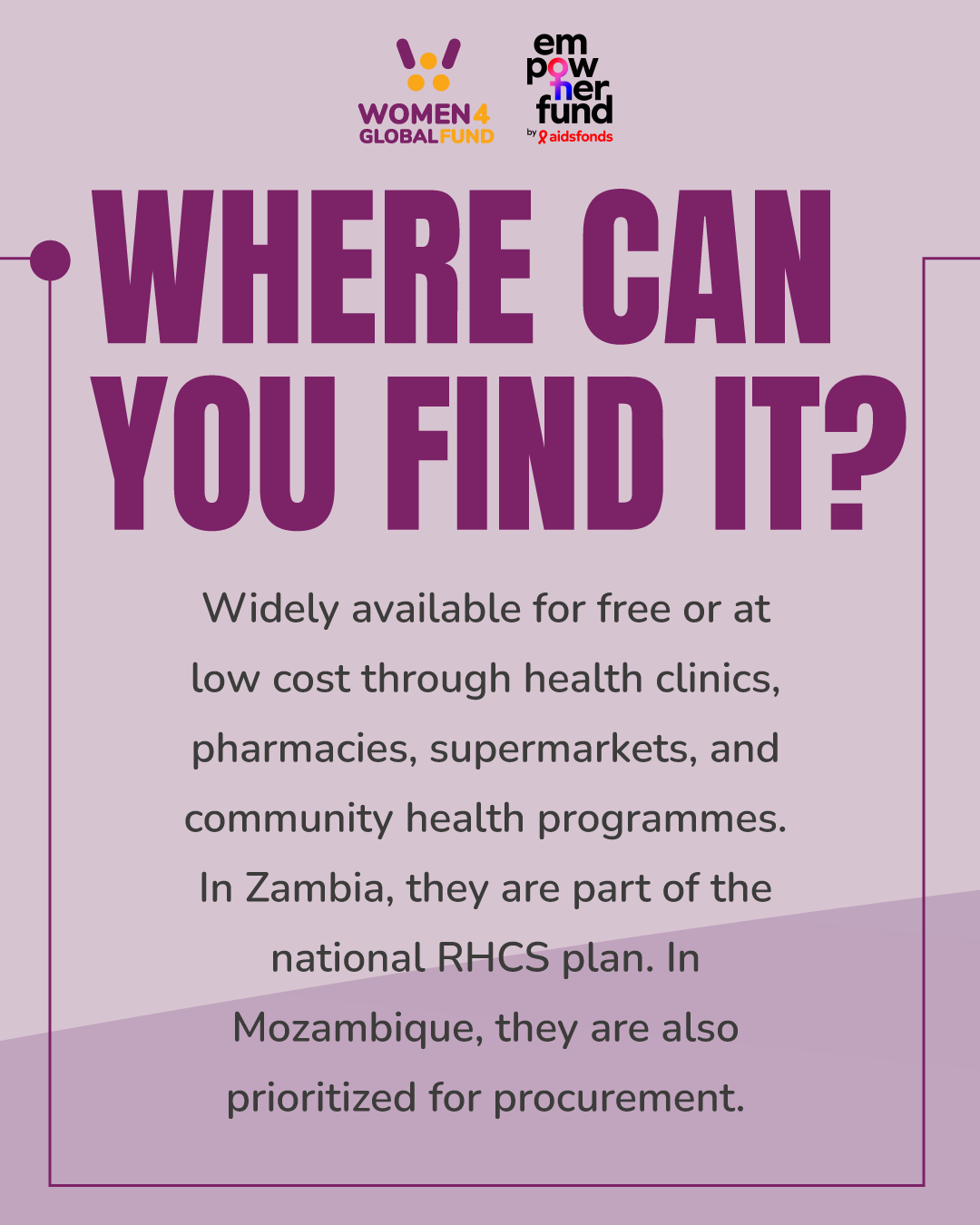
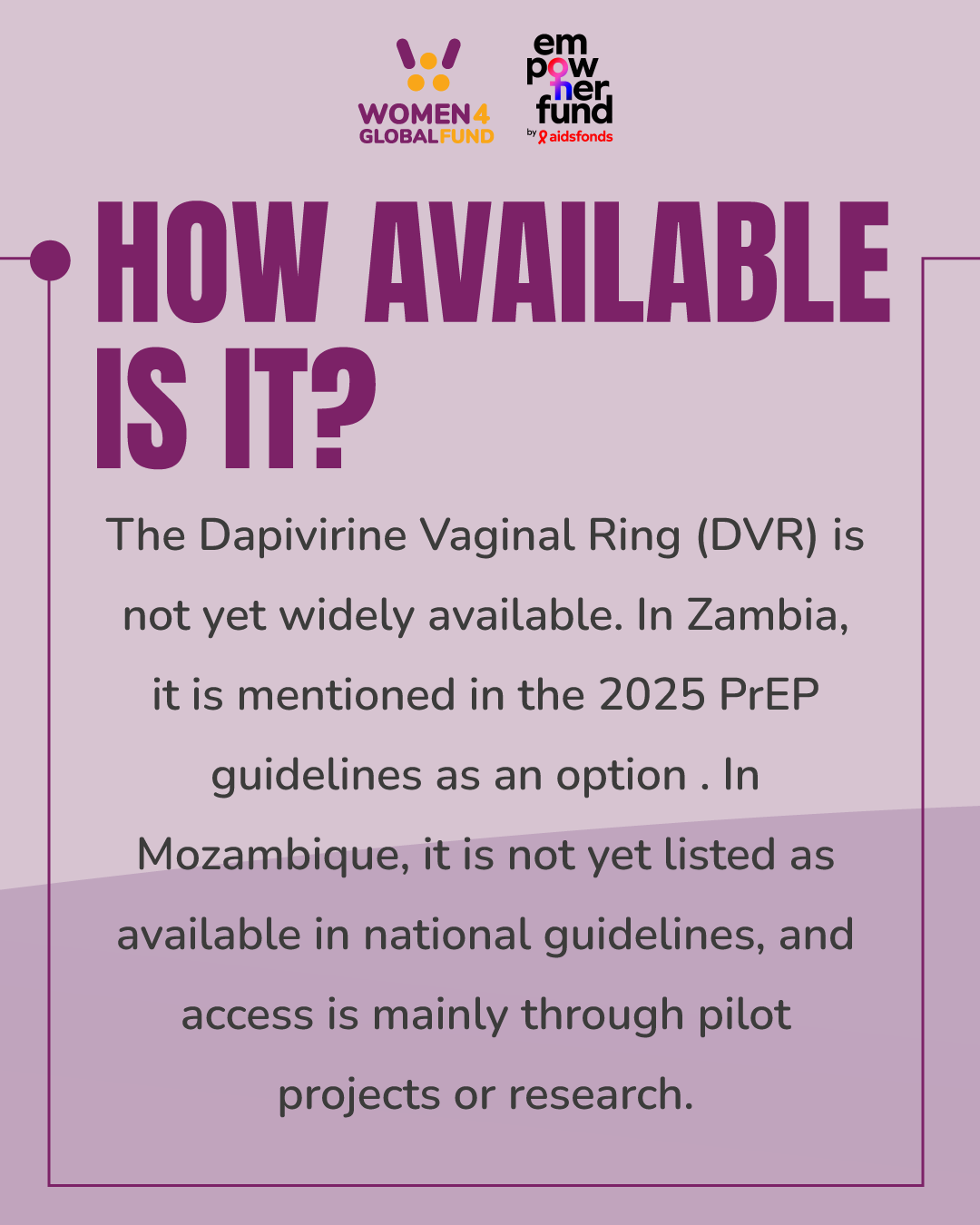
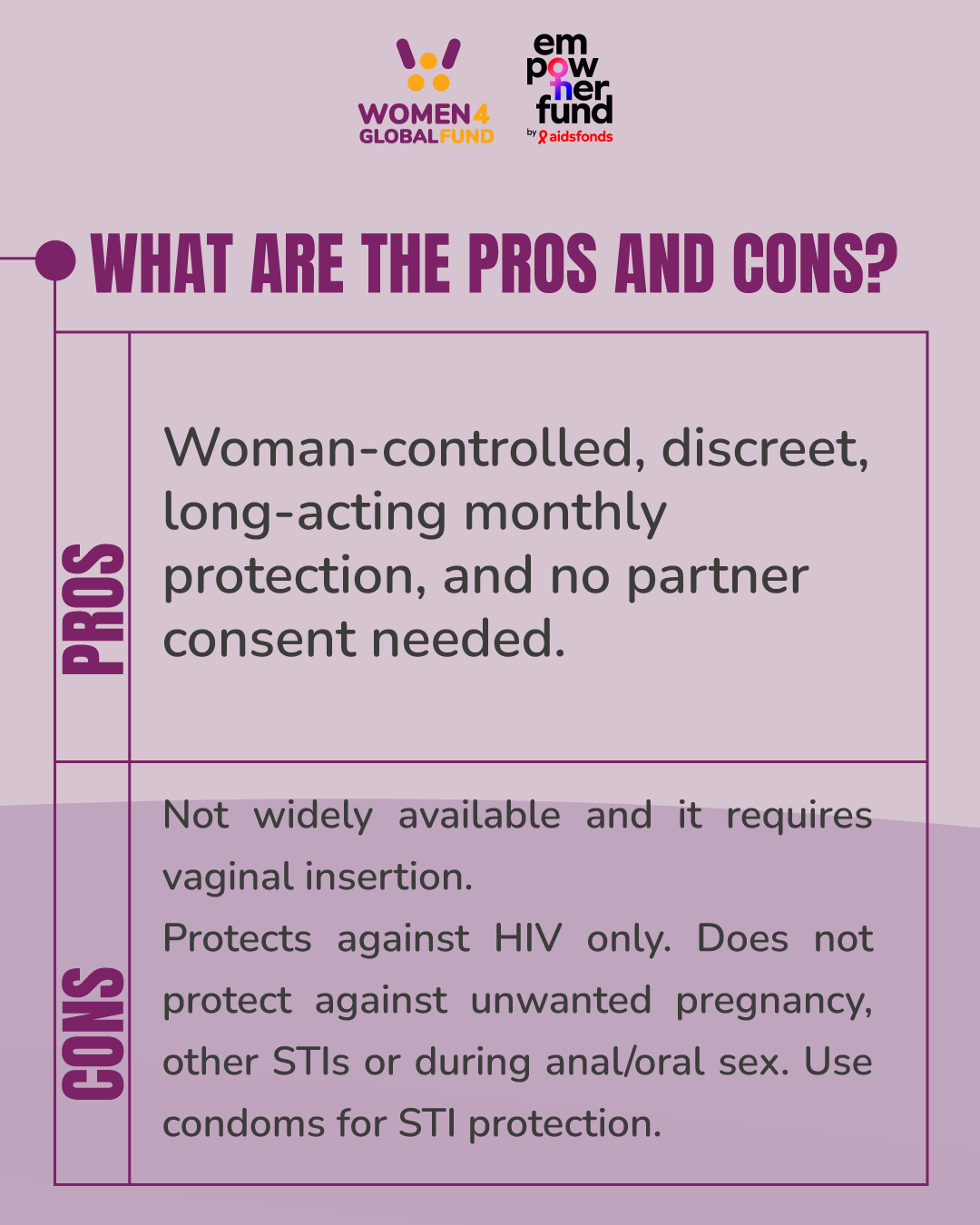
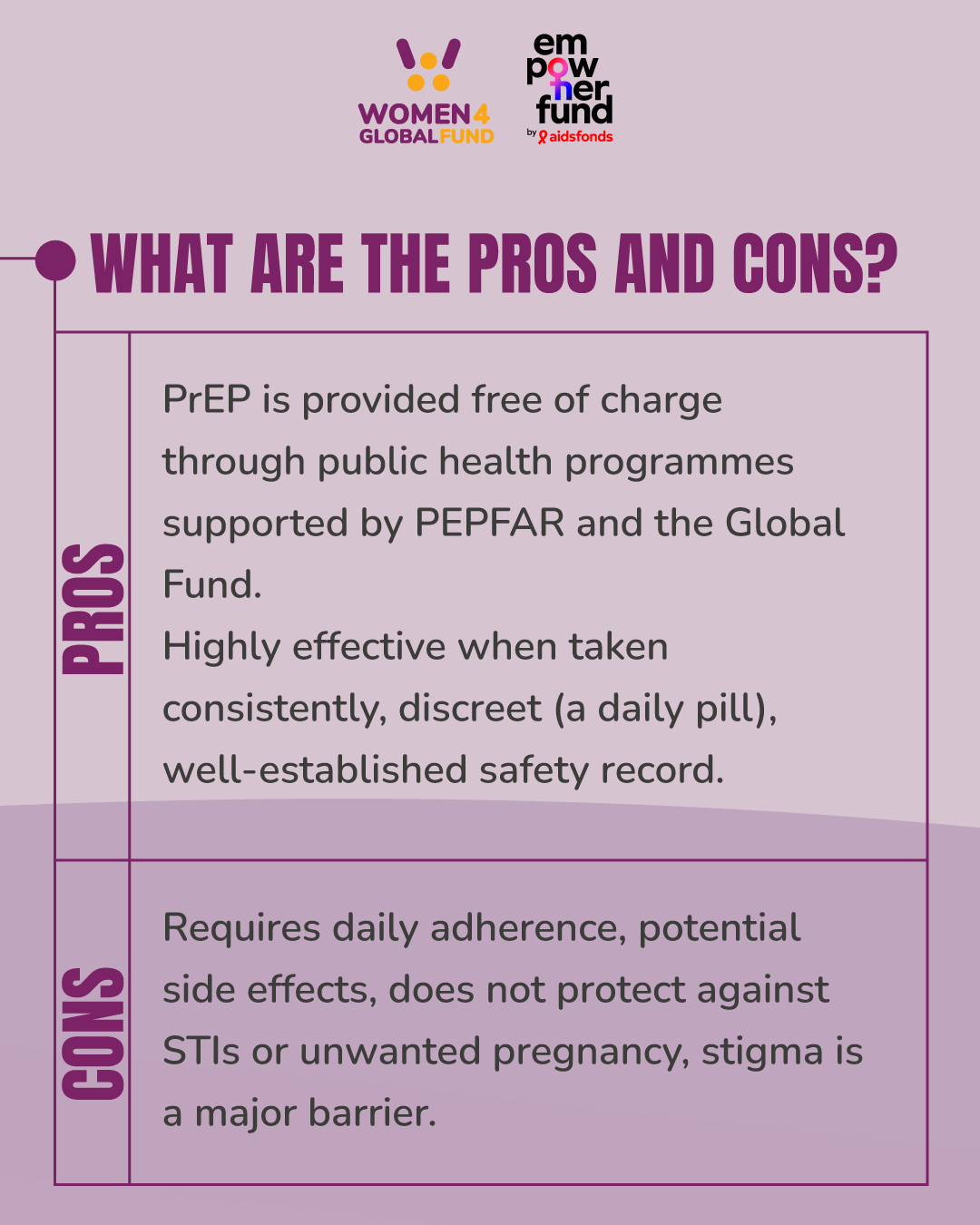
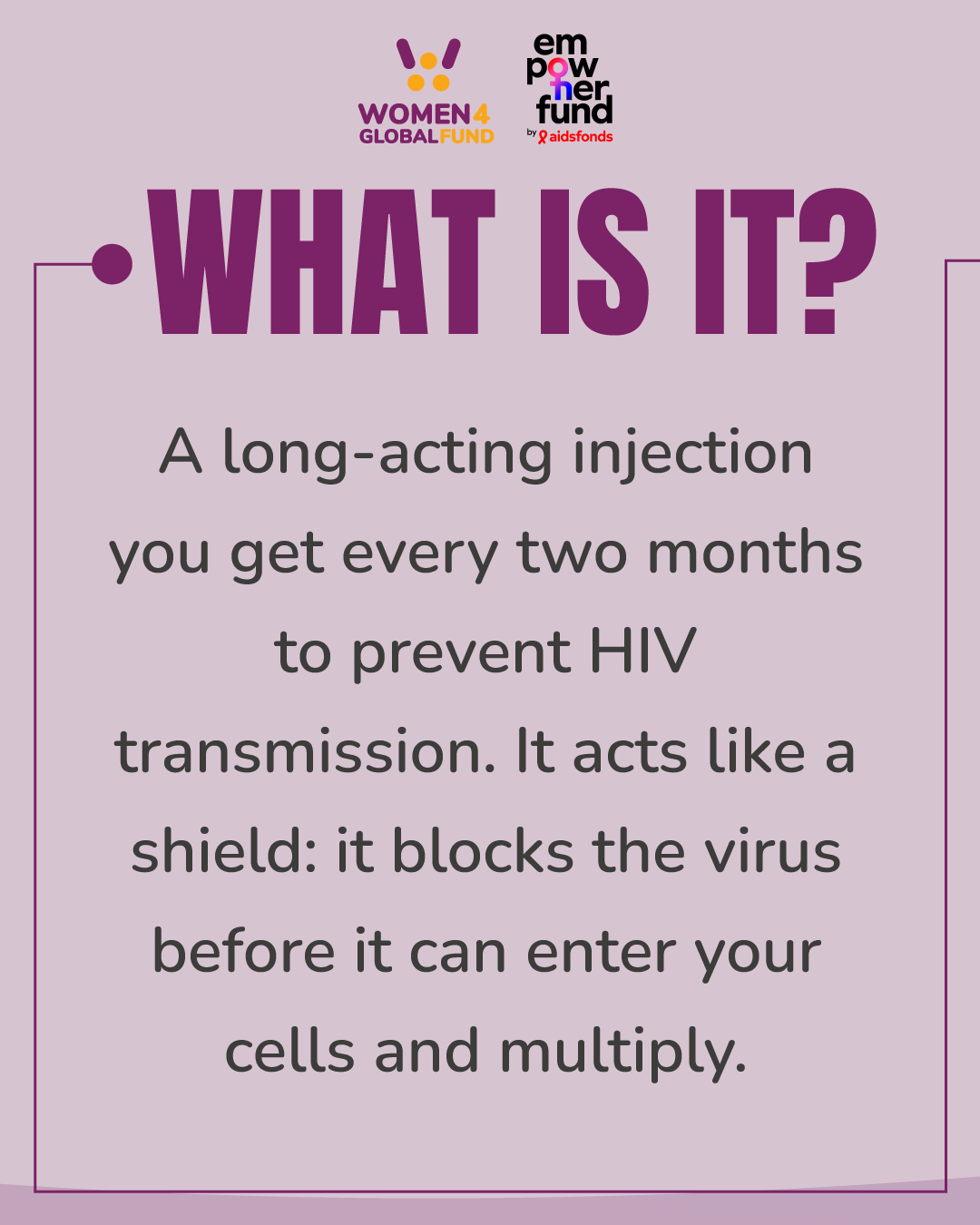
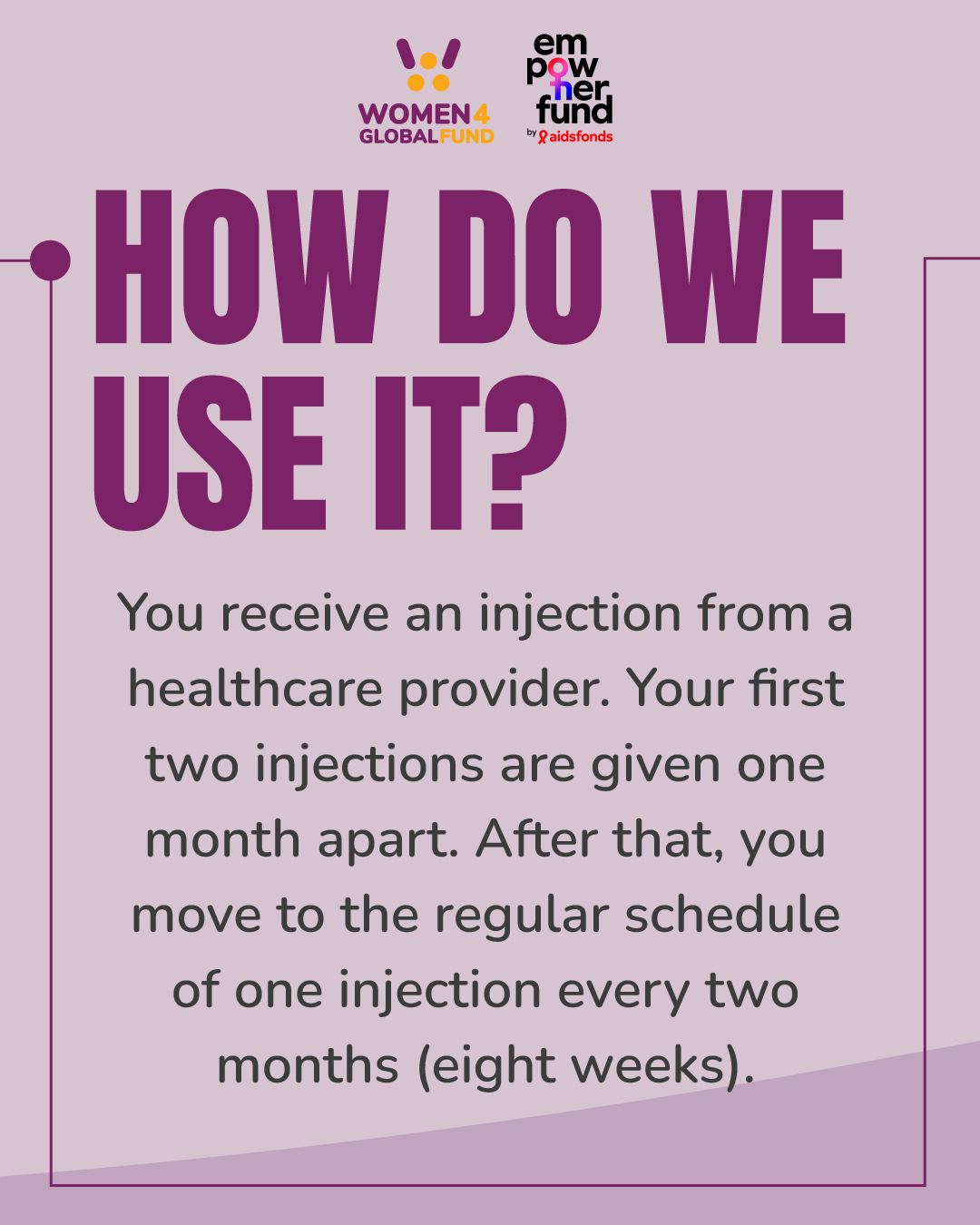
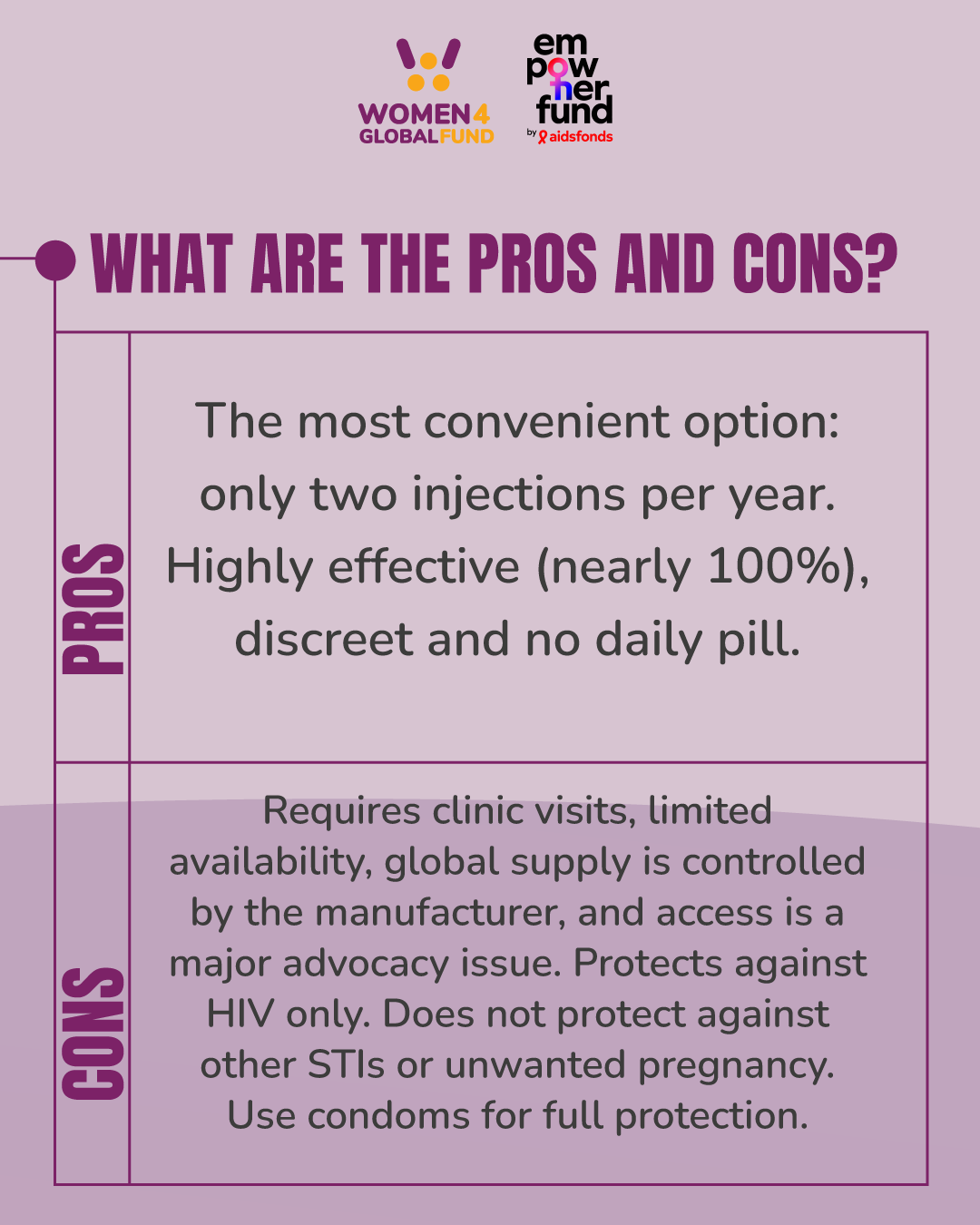
Every woman, adolescent girl, and advocate has the right to accurate, user-friendly information to make autonomous, informed choices about their sexual and reproductive health. The factsheets below summarize the key characteristics, administration steps, benefits, limitations, and regional availability across Zambia and Mozambique for six key prevention options:
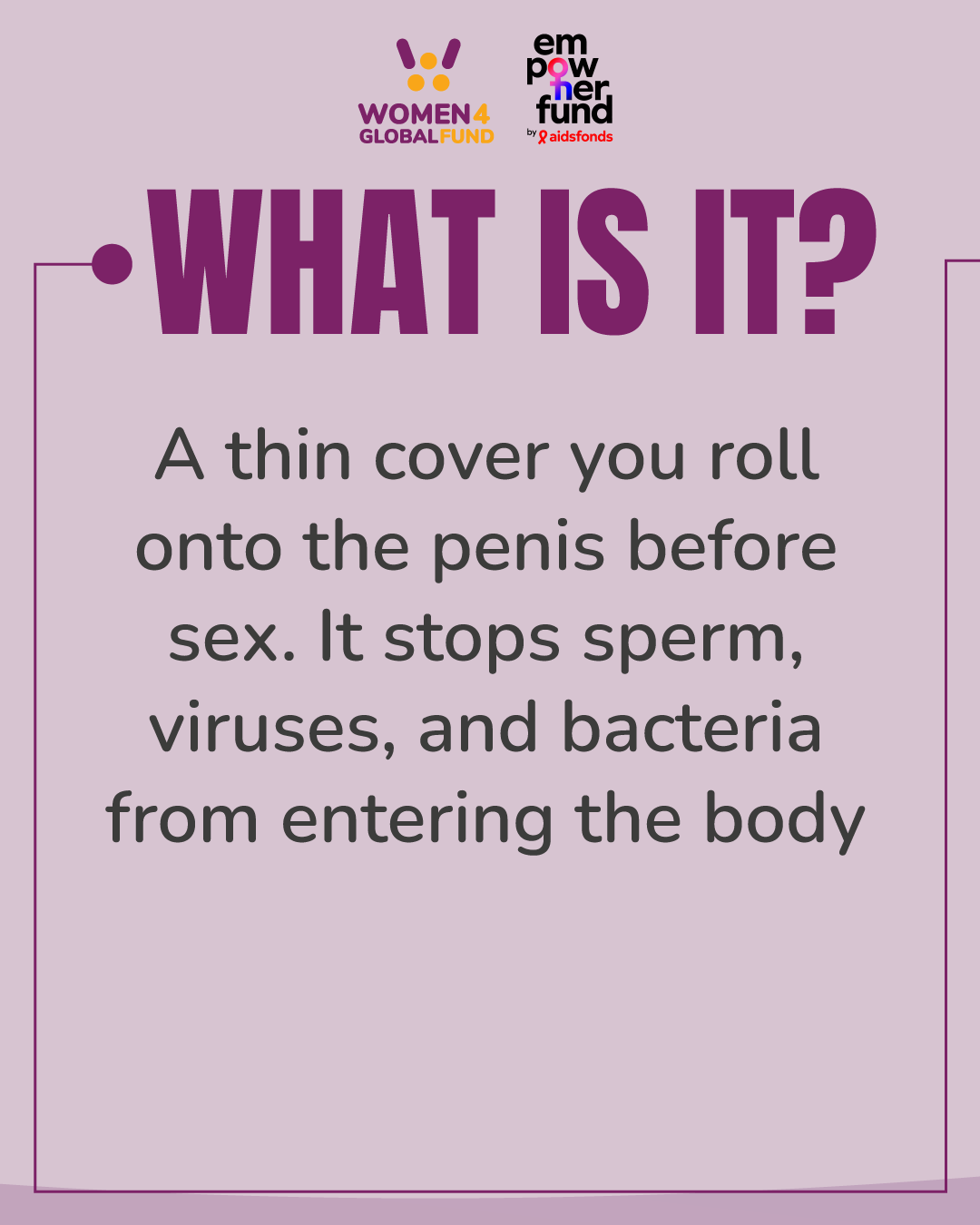
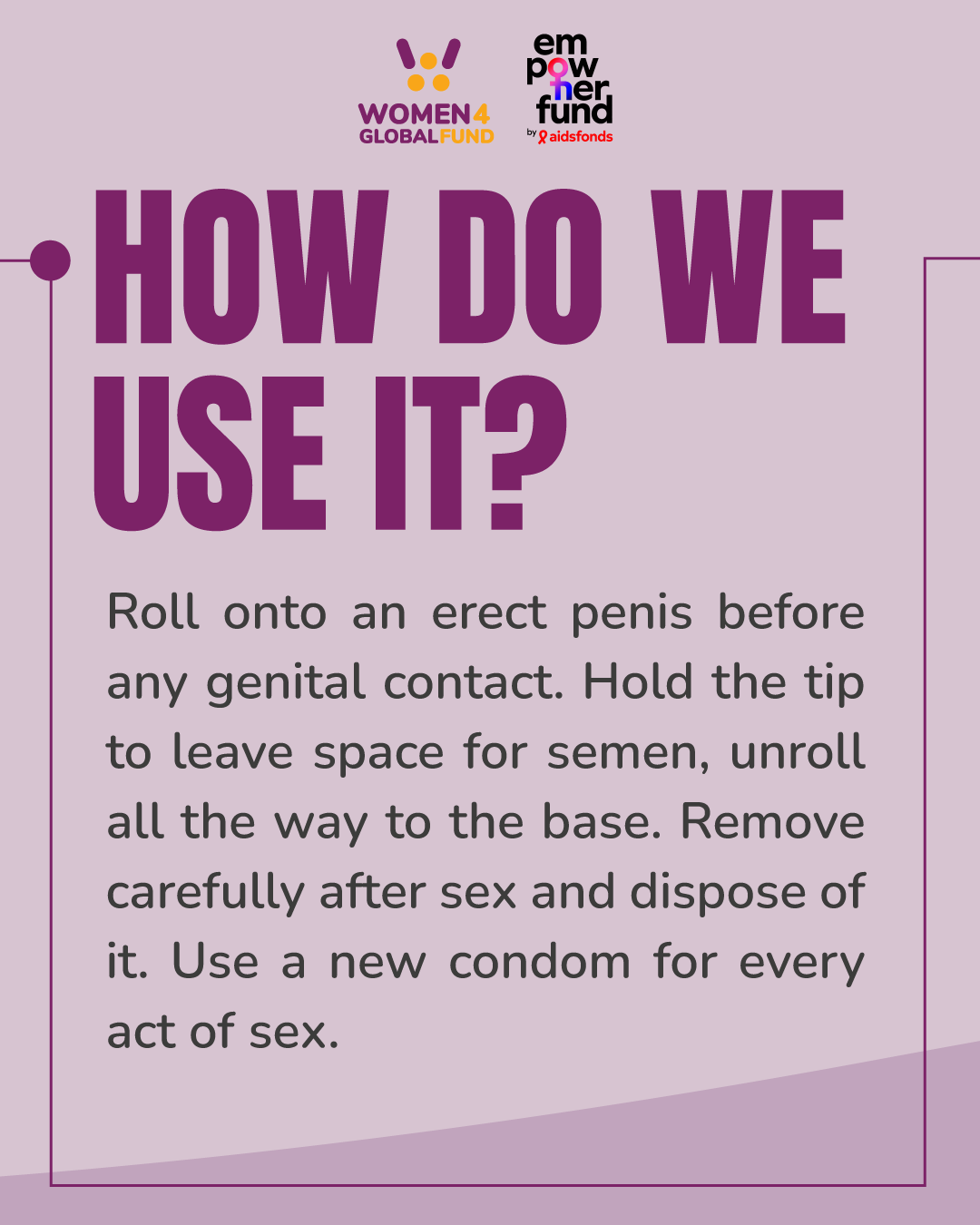
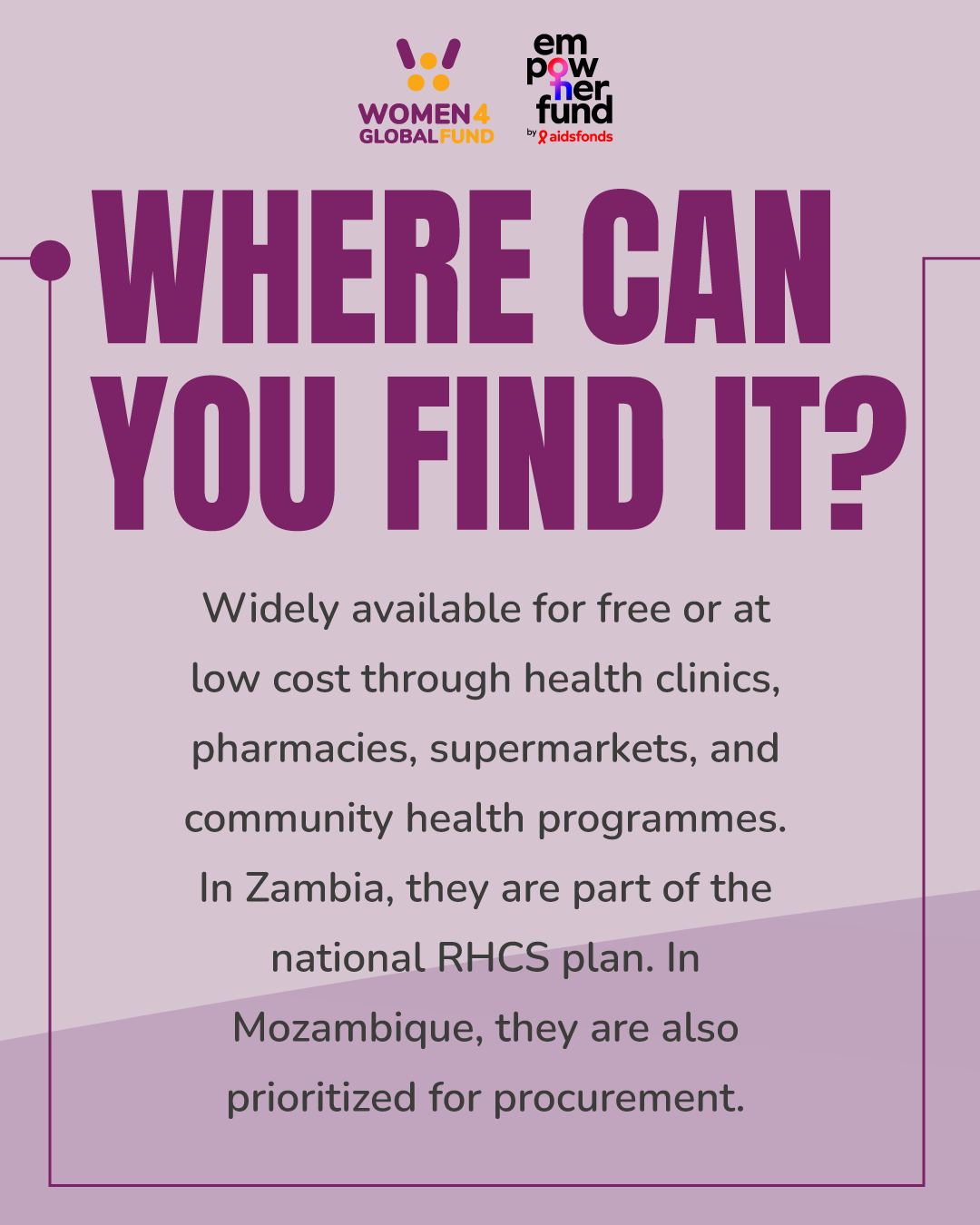
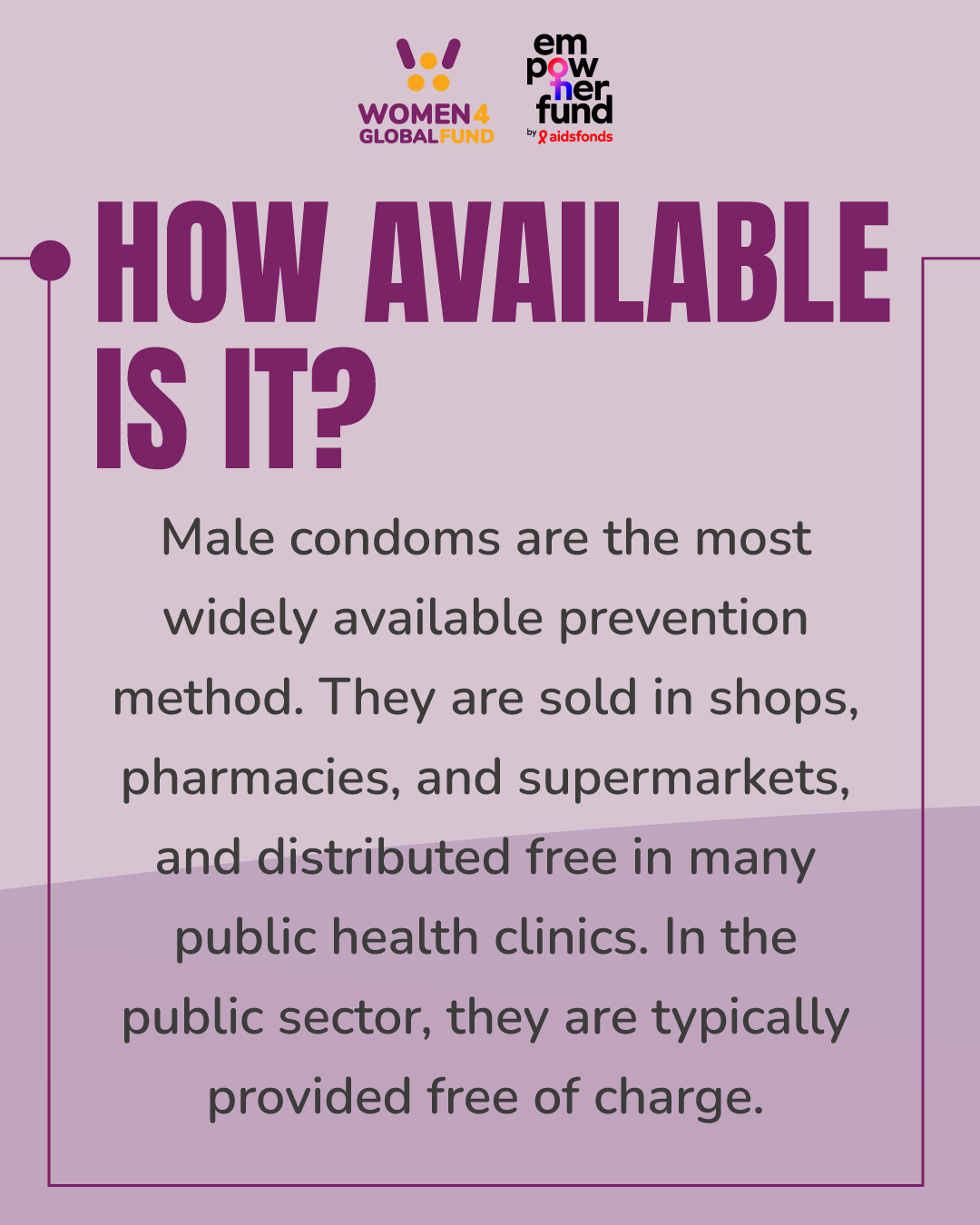
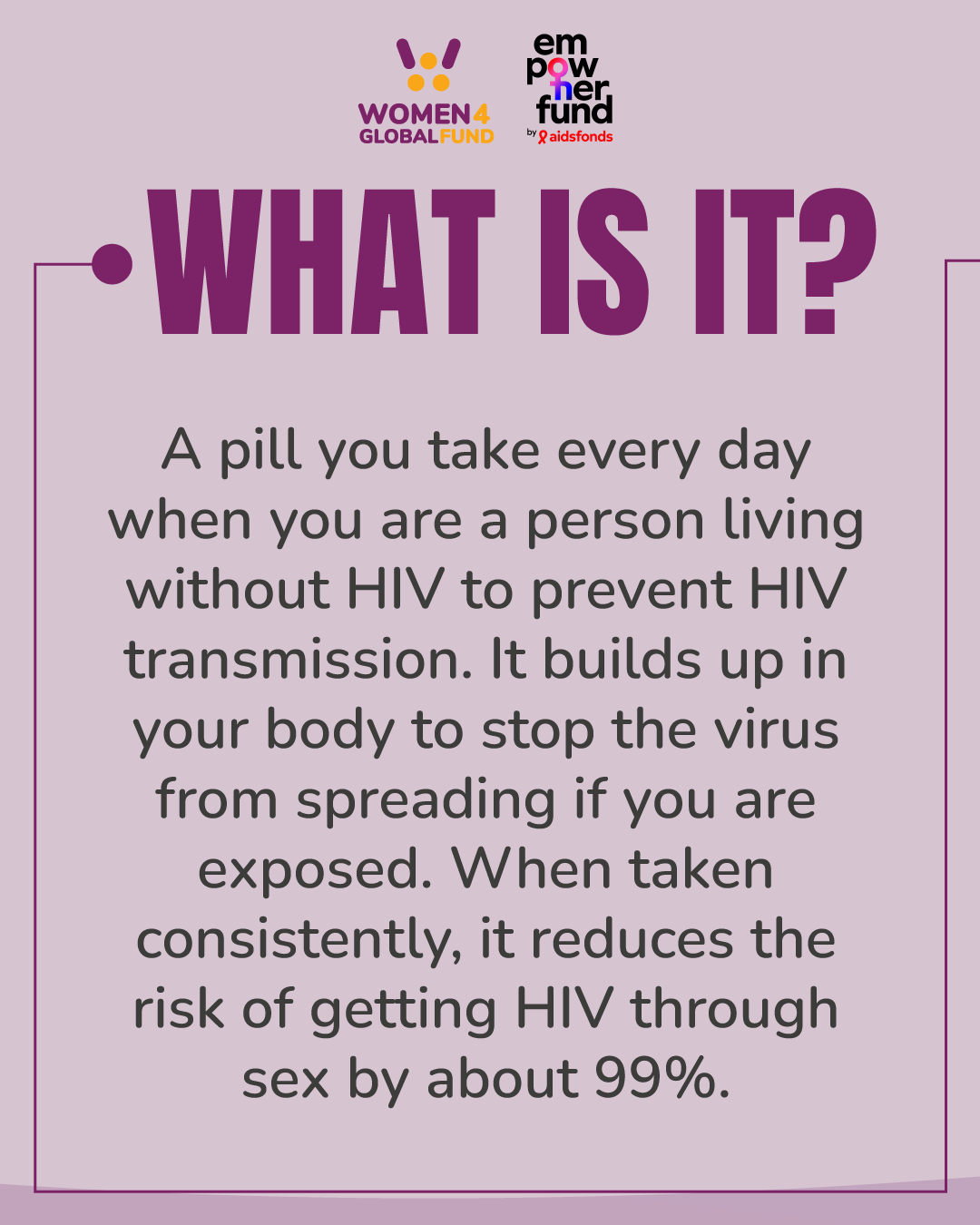
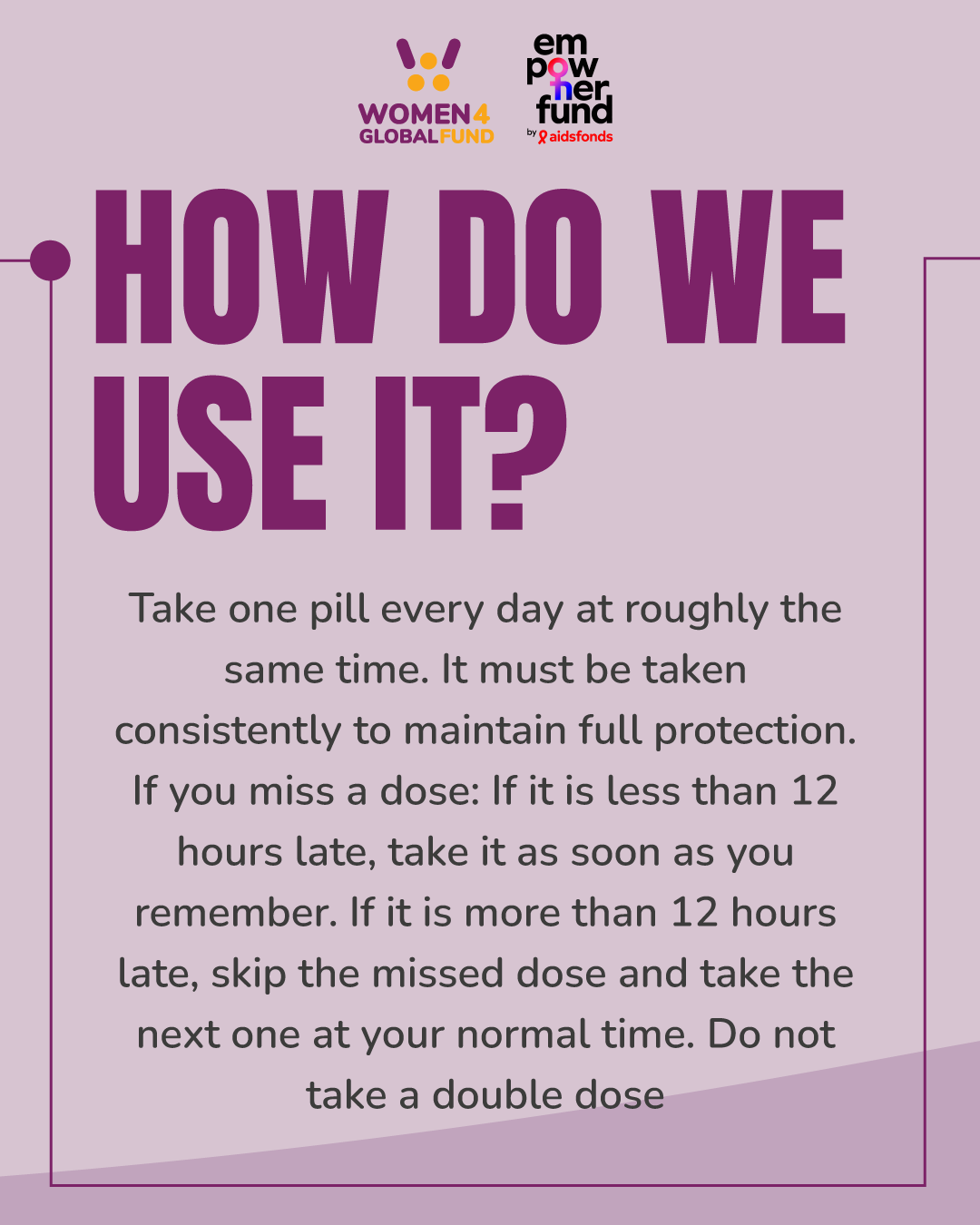
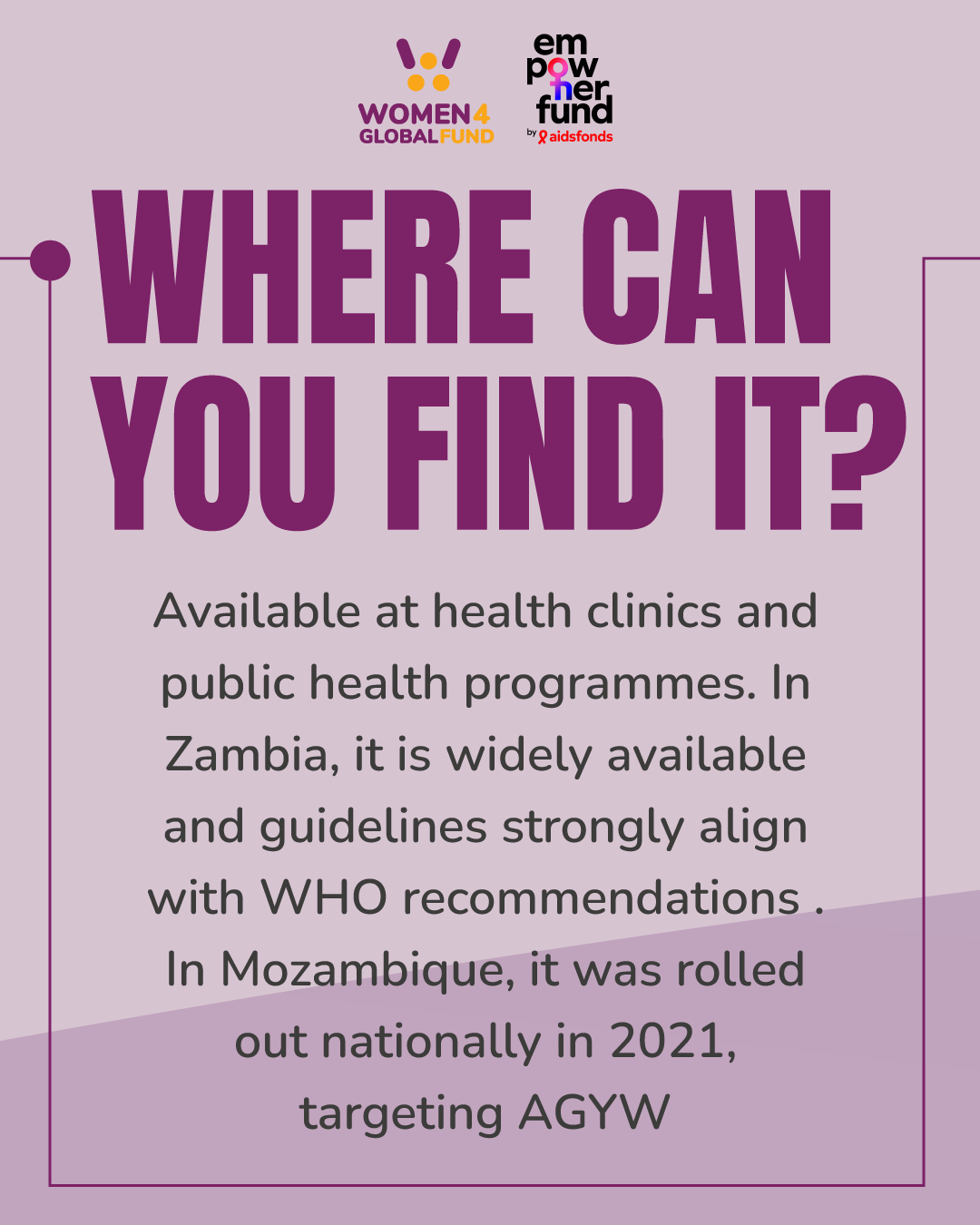
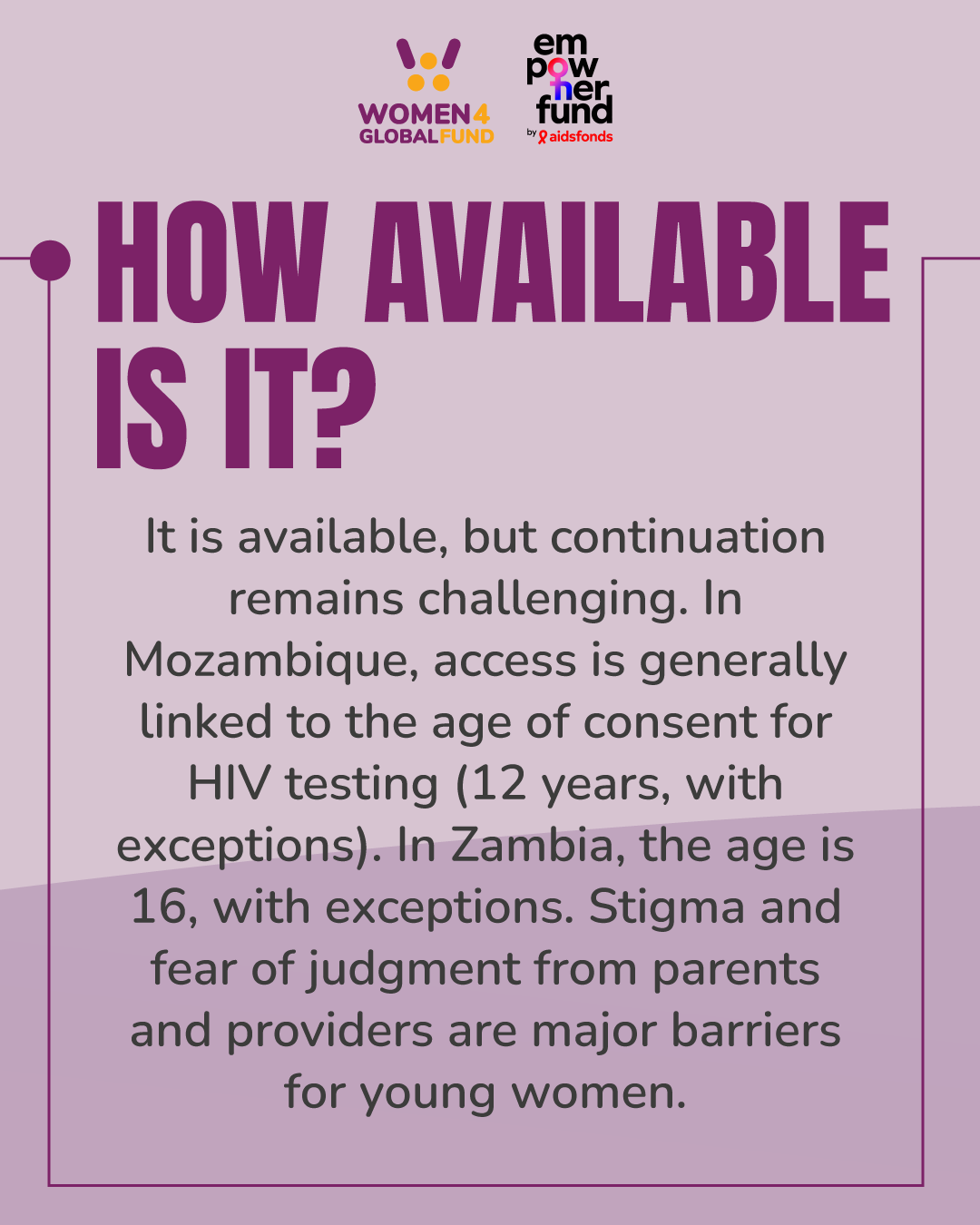
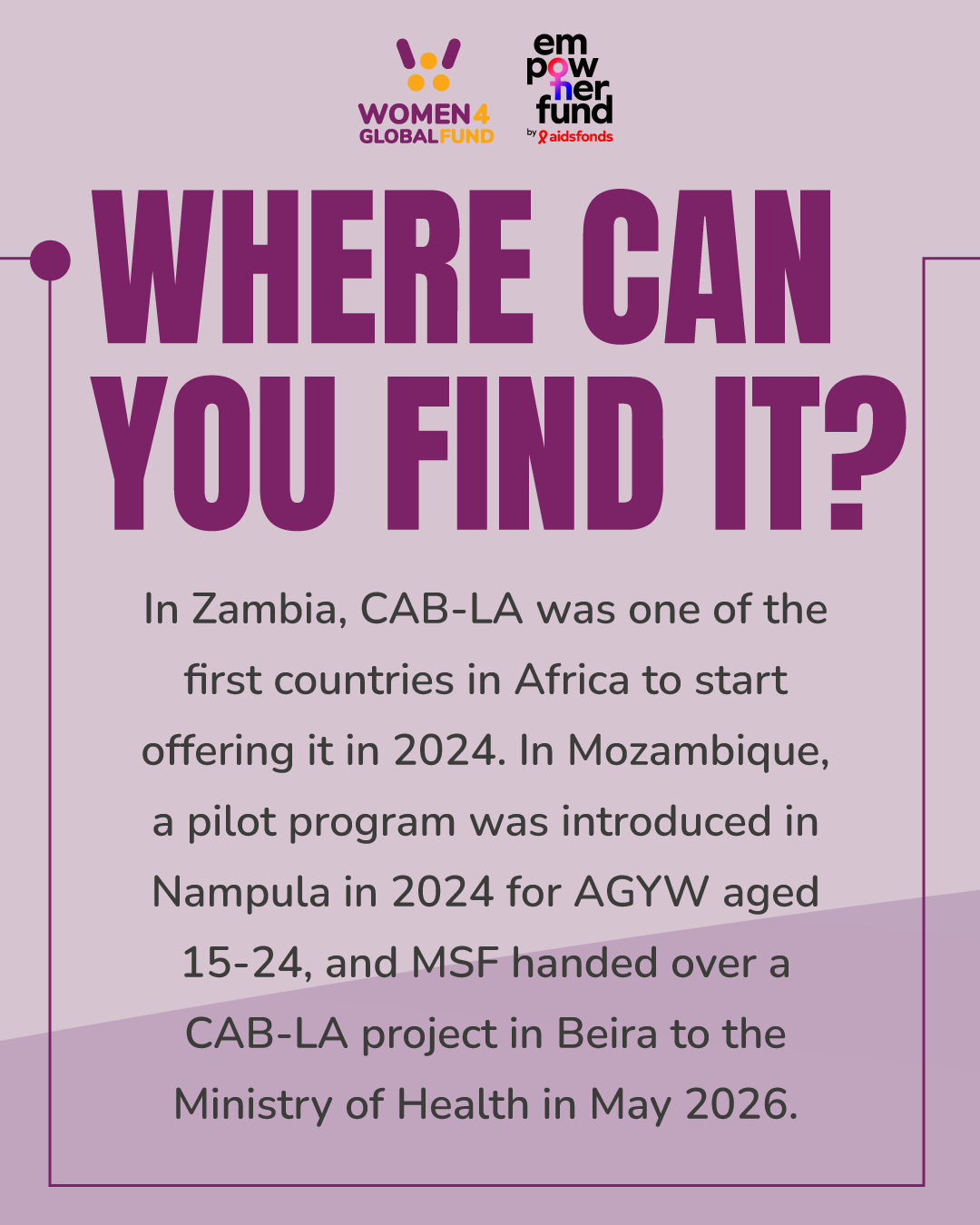
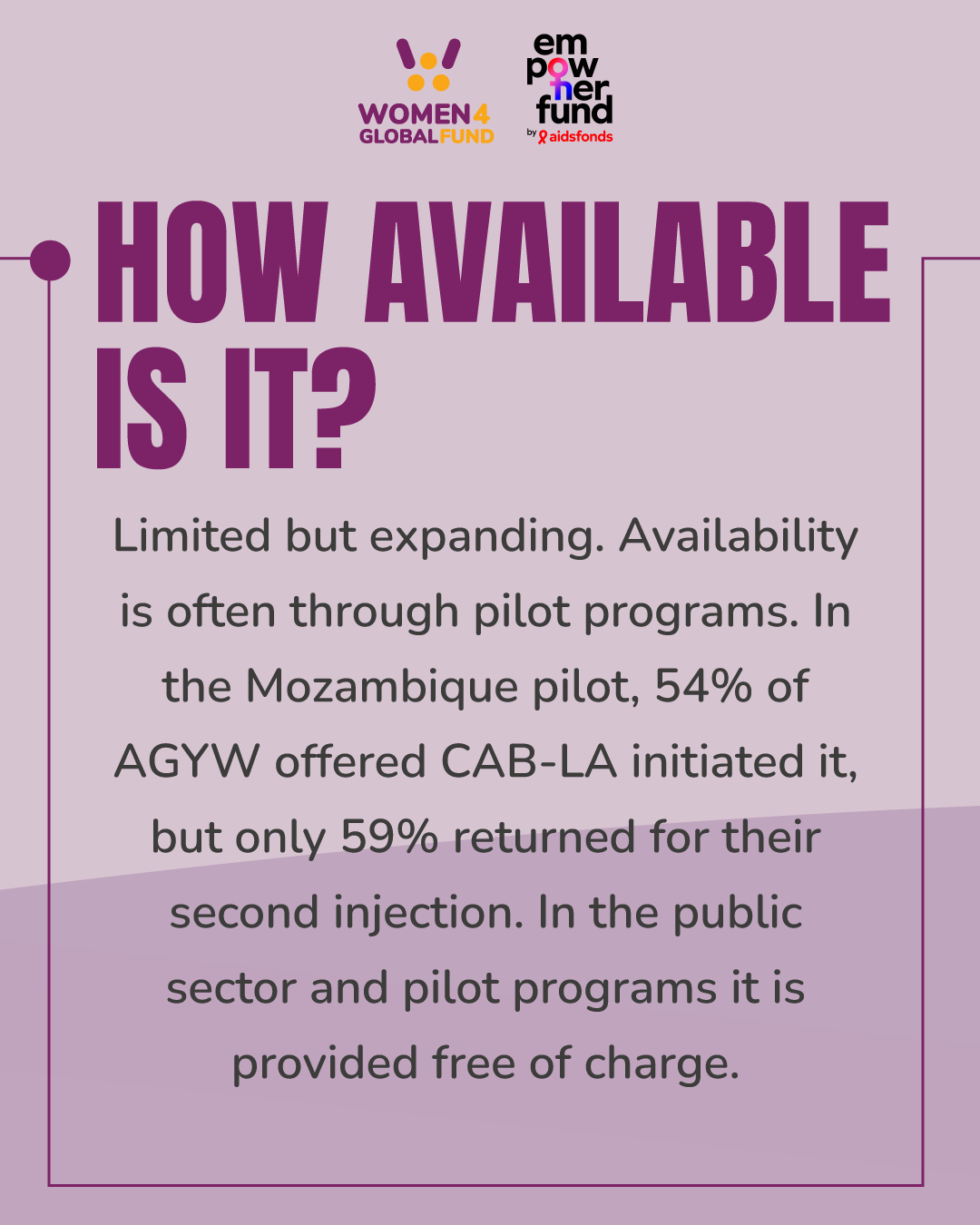
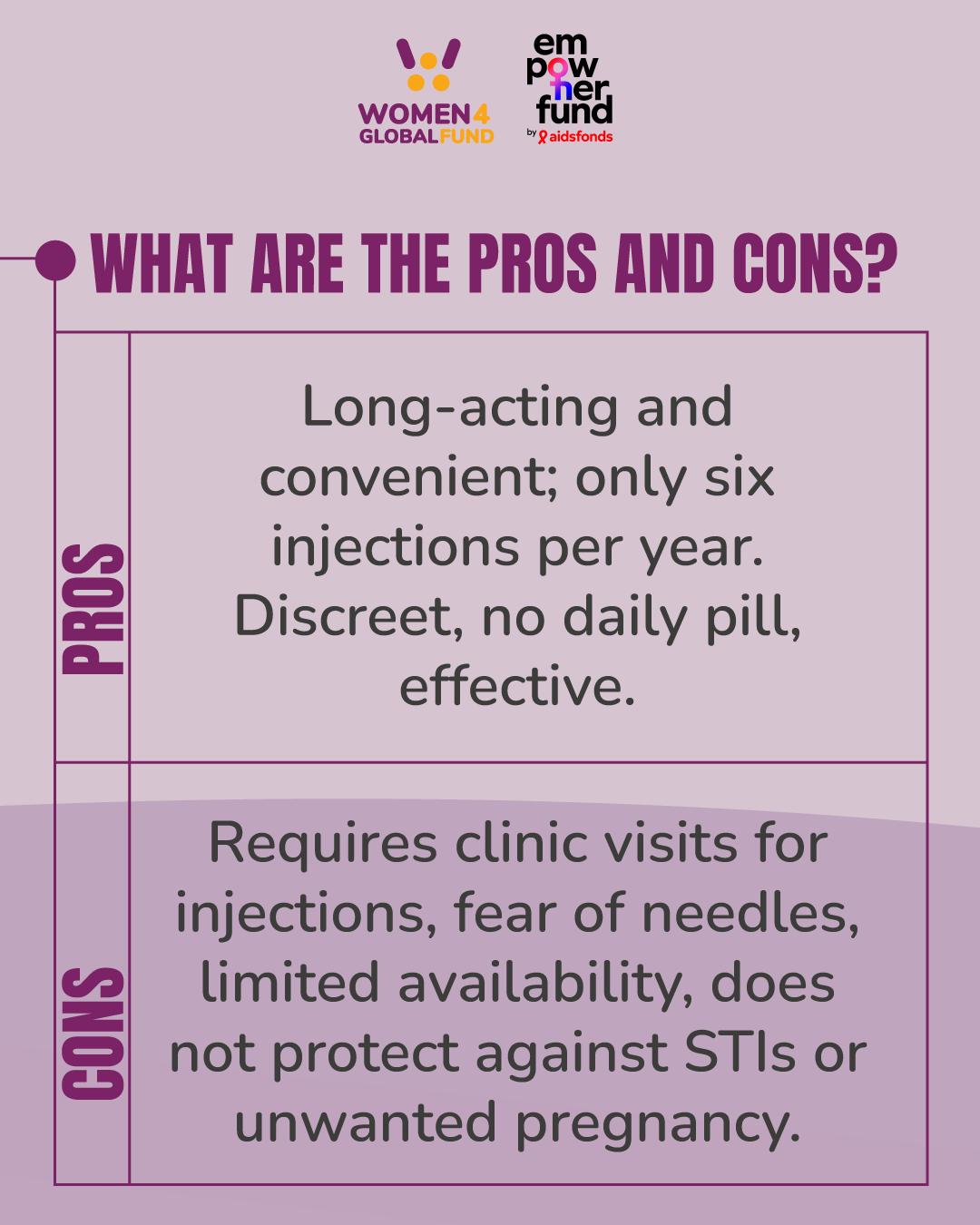
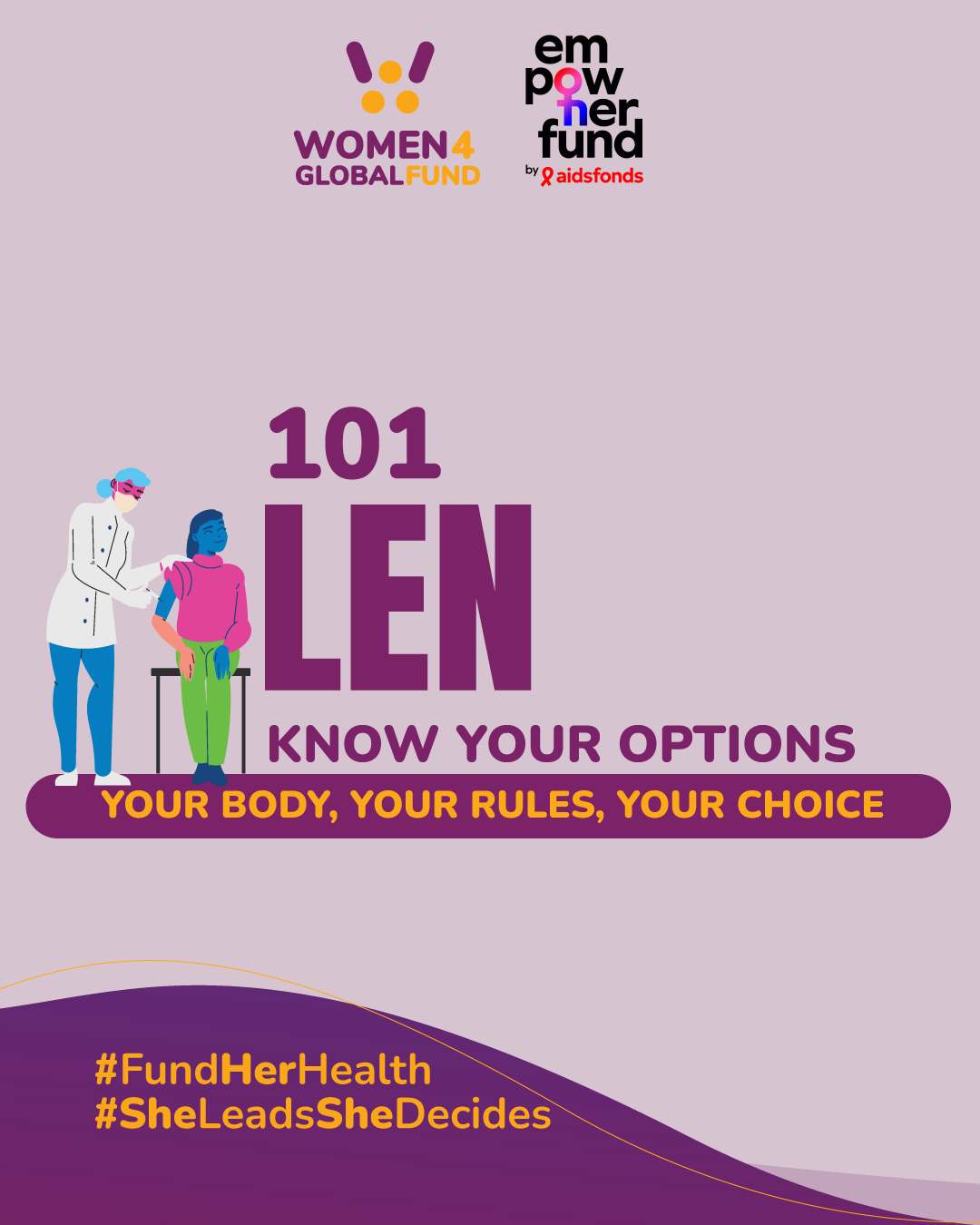
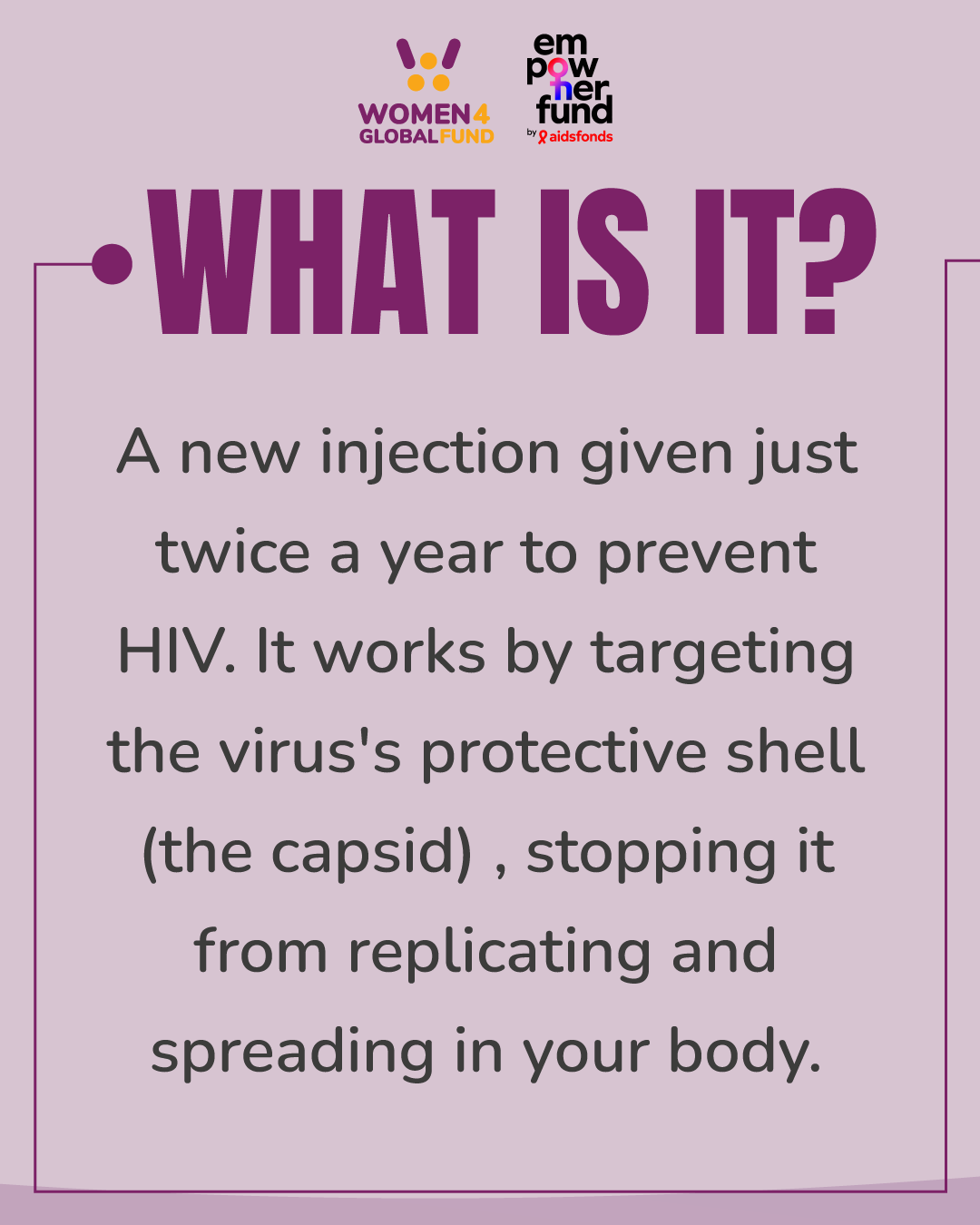
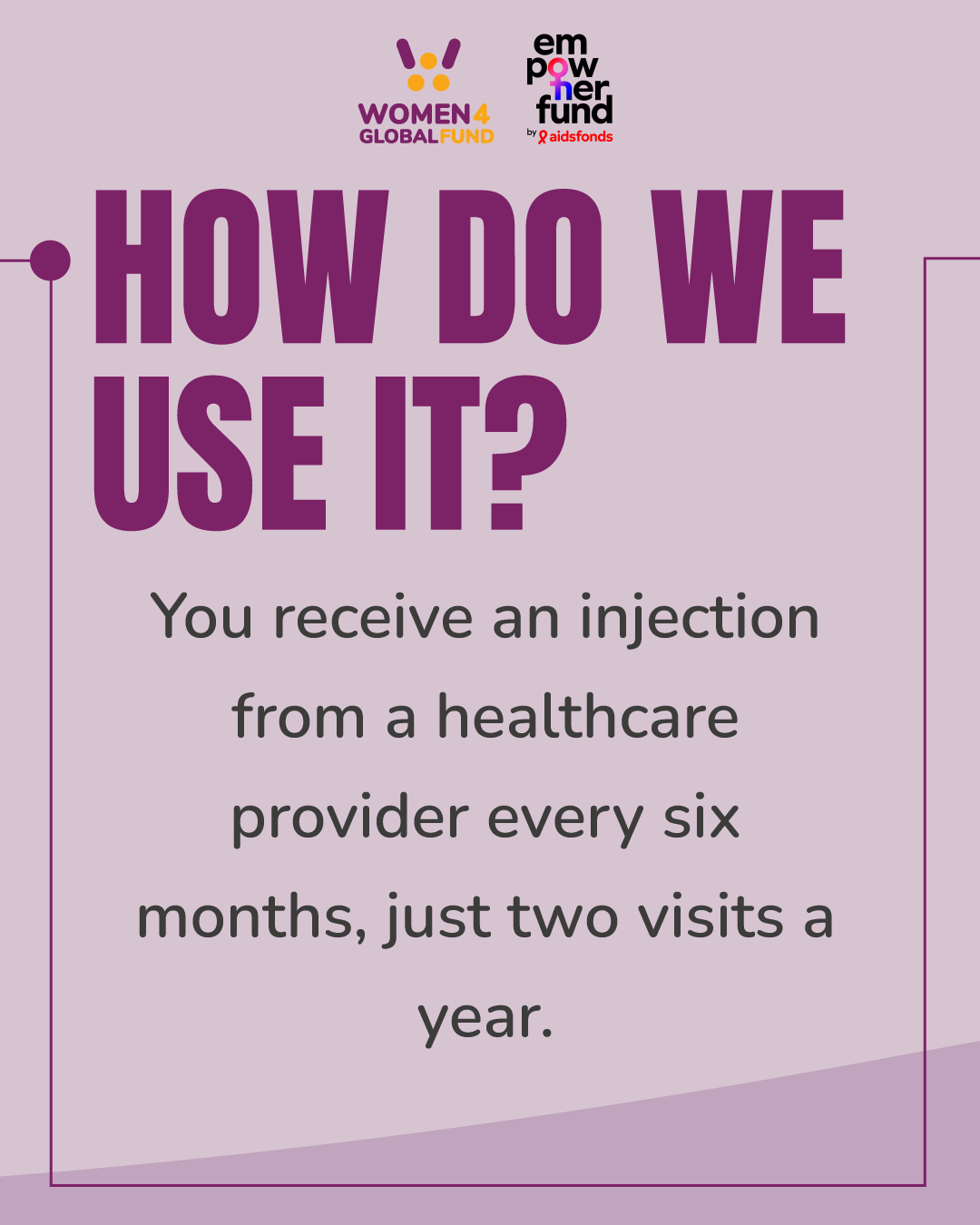
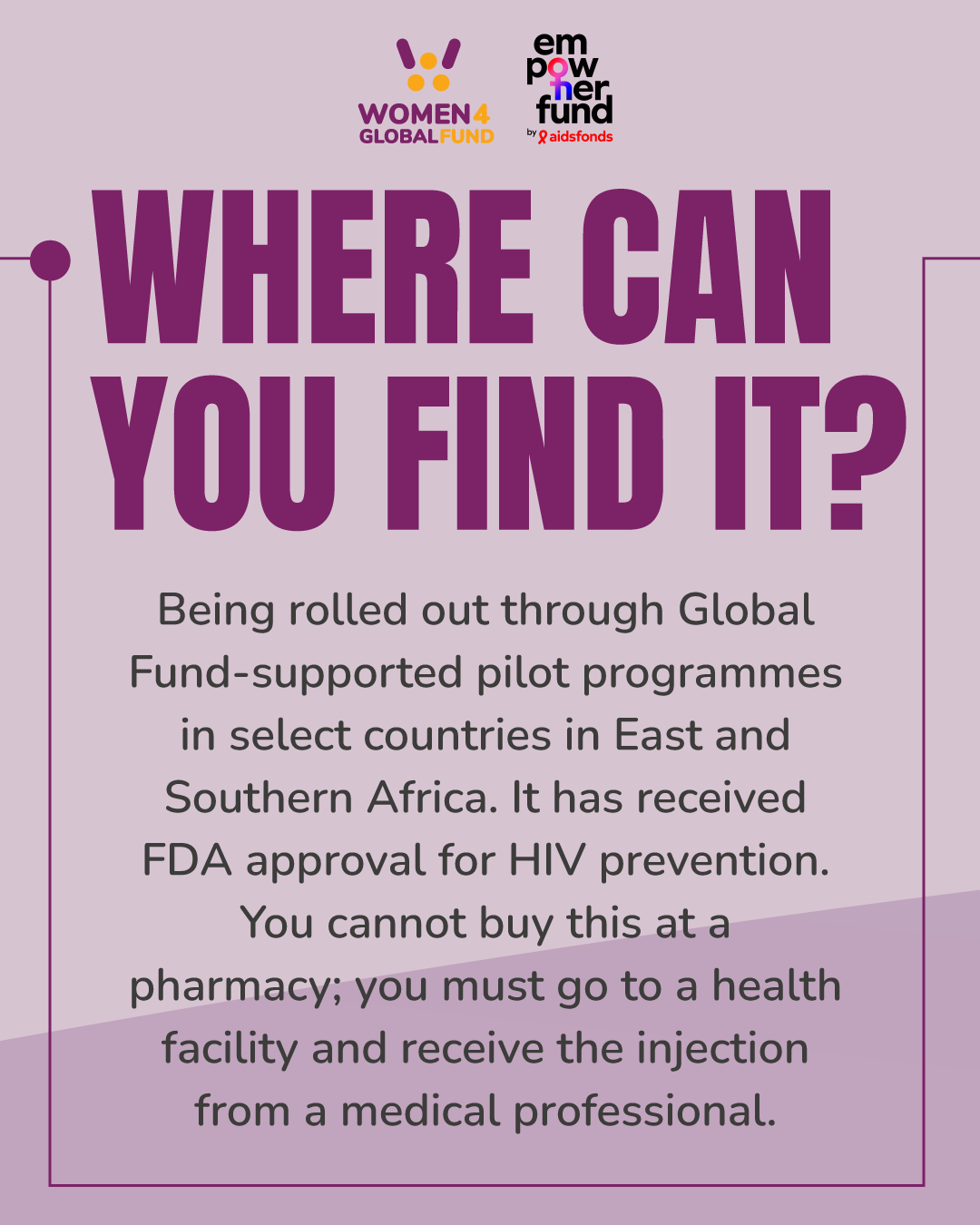
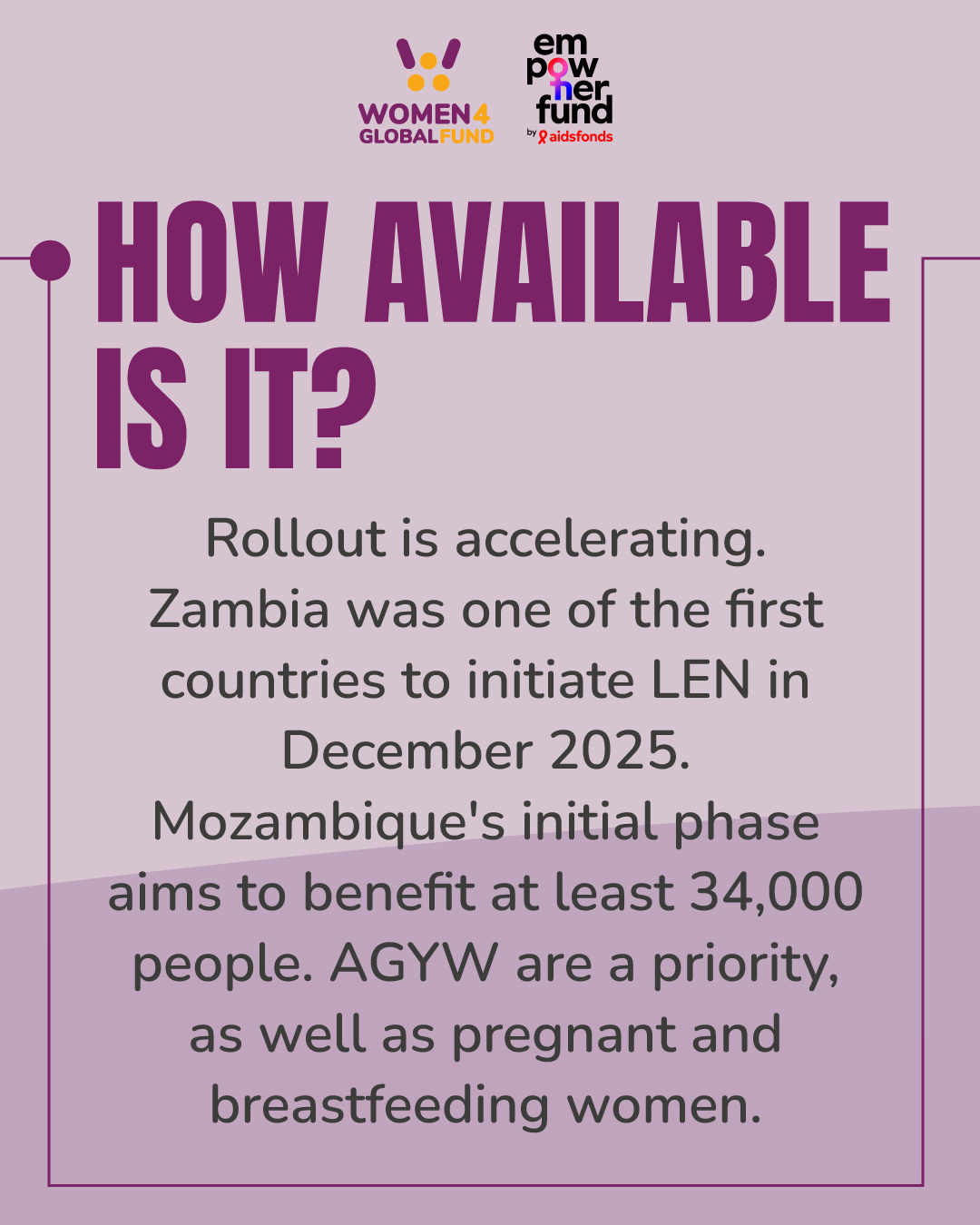
“Challenge harmful norms”
Videos
In these feature videos, Rosita introduces lenacapavir highlighting how discreet prevention empowers young women to make autonomous decisions without relying on a partner, while Doris, a Lane Champion under the She Leads, She Decides initiative, explains how lenacapavir works and emphasizes the importance of giving adolescent girls and young women a voice and choice in their healthcare.
Watch Champions from Mozambique and Zambia telling their stories from LEN:
O controle da nossa saúde tem de estar nas nossas mãos.
It’s about empowering young women to have a choice and a voice in accessing HIV prevention.
“Demand gender-transformative health investments”
Key Messages
Amplify our advocacy by sharing these core messages across your networks. Grouped around bodily autonomy and breaking the GBV–HIV cycle, dismantling structural and health system barriers, and driving regional policy accountability in Zambia, Mozambique, and beyond, these messages are designed for digital and community outreach.
Bodily Autonomy, Choice & Breaking the GBV–HIV Cycle
Gender-based violence and patriarchal norms are leading drivers of HIV among women and girls in Sub-Saharan Africa—robbing them of the power to negotiate safe sex or adhere to daily pills. Expanding access to discreet, long-acting HIV prevention like twice-yearly Lenacapavir is an essential tool to protect women from GBV-related HIV transmission.
Innovation must go hand in hand with gender equity and community ownership: a 99% effective prevention breakthrough only transforms lives when women and girls in all their diversity can freely choose the method that fits their reality without fear of violence or partner interference.
Dismantling Structural Violence, Criminalization & Health System Barriers
Stigma, poverty, transport costs, provider bias, and restrictive laws act as forms of structural violence that lock adolescent girls, young women, and key populations out of HIV prevention. Dismantling these barriers is central to ending GBV and HIV.
Criminalizing sex workers, women who use drugs, and trans women fuels gender-based violence and drives women away from clinics. Truly inclusive HIV prevention requires legal reform, youth-friendly services, and accountability for every woman left behind.
Policy Accountability & Regional Action (Zambia, Mozambique & Beyond)
Laws and strategies on paper are not enough without funded, stigma-free implementation in clinics. Women and girls in all their diversity must hold decision-making seats across national HIV roadmaps, gender policies, and Global Fund Grant Cycle 8 (GC8) planning spaces.
Across East and Southern Africa—from Lusaka and the Copperbelt in Zambia to Gaza and Maputo in Mozambique—women-led organizations are uniting to demand integrated GBV and HIV prevention policies that put choice and safety first.